${ searchTerm }
${ searchTermSuggestion }

No results

Popular searches
  • logo
  • logo
There are no items in your cart
  • Items (${ cartItemsCount })
    ${ subTotal }
    Subtotal

    CREATING INTENTIONAL SPACES

    neuro— aesthetics

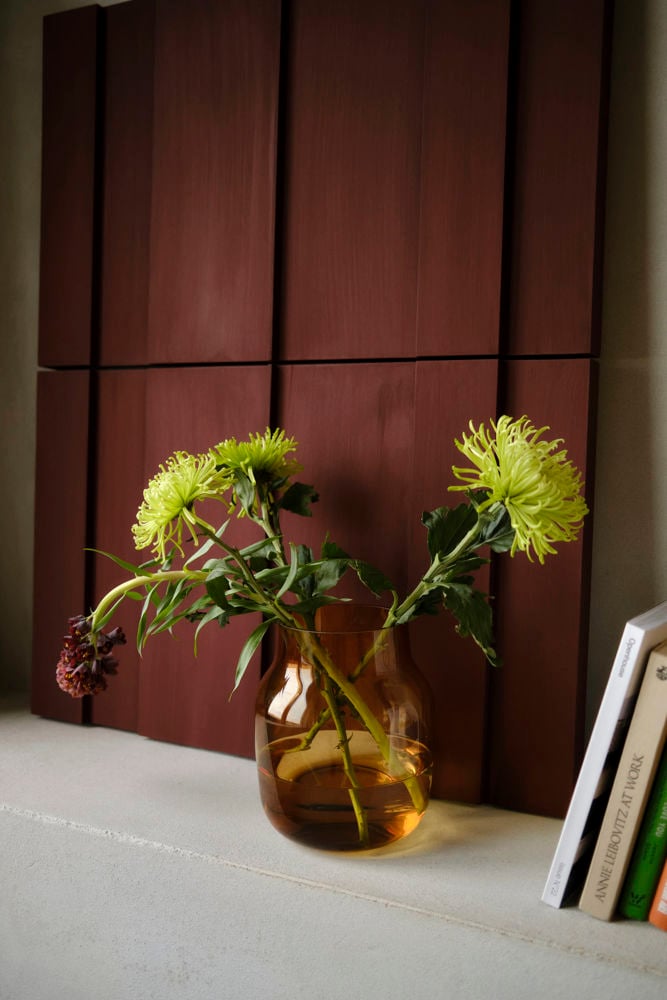
    Intuitively, we all know the feeling of entering a room and immediately feeling at ease or stimulated. That interacting with elements of design—be it sensations of light, color, or texture—can trigger emotions and spark a dynamic interplay of  neurotransmitters in our brains. This process can shape our feelings, thinking and behavior. There is more to design than meets the eye.
     

    our five guiding principles

    Today, our approach to designing spaces is driven by five guiding principles of neuroaesthetics: Nature, Light, Form, Color, and Tactility—while remaining open to the potential for further expansion and refinement of these principles, recognizing the ongoing evolution of this field.

    1. biophilia and nature in the interior

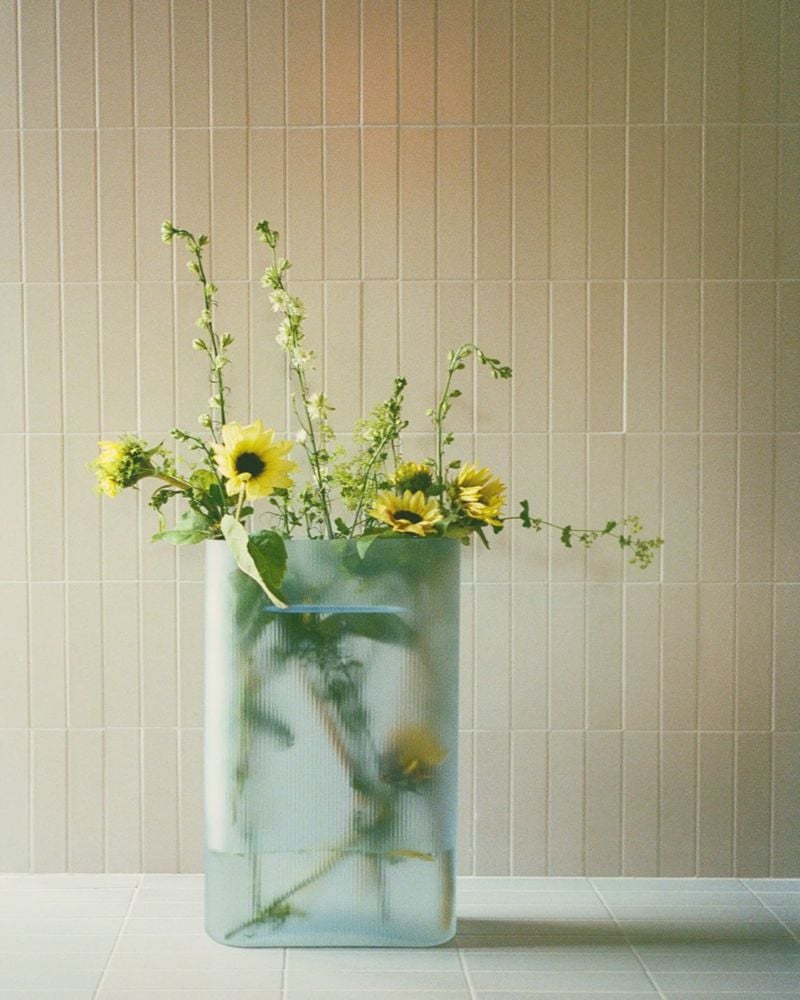
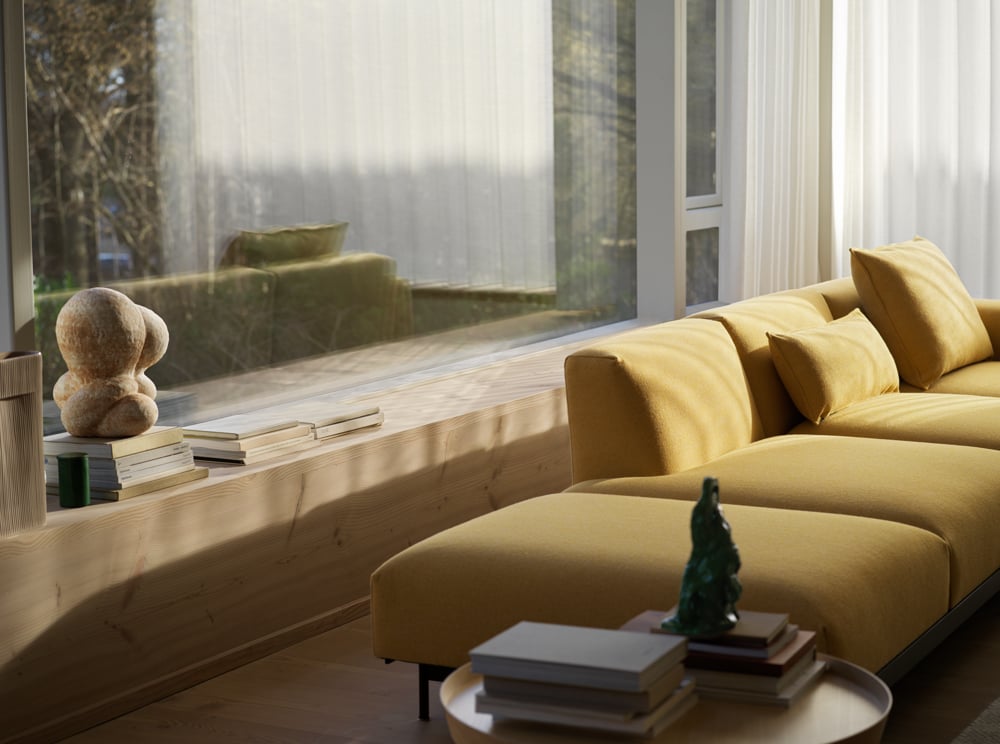
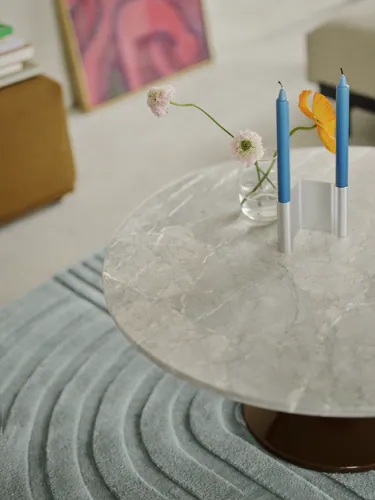
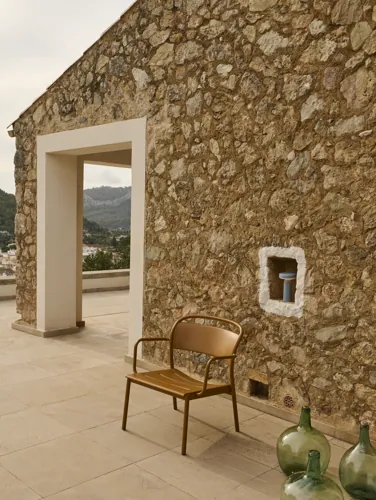
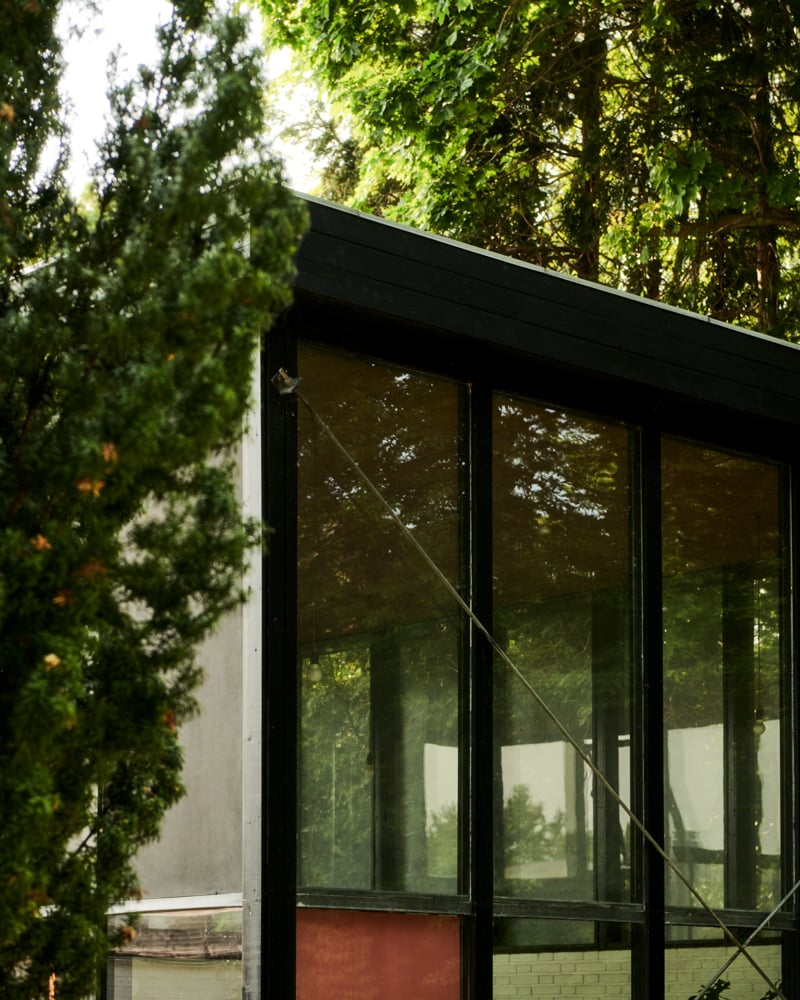
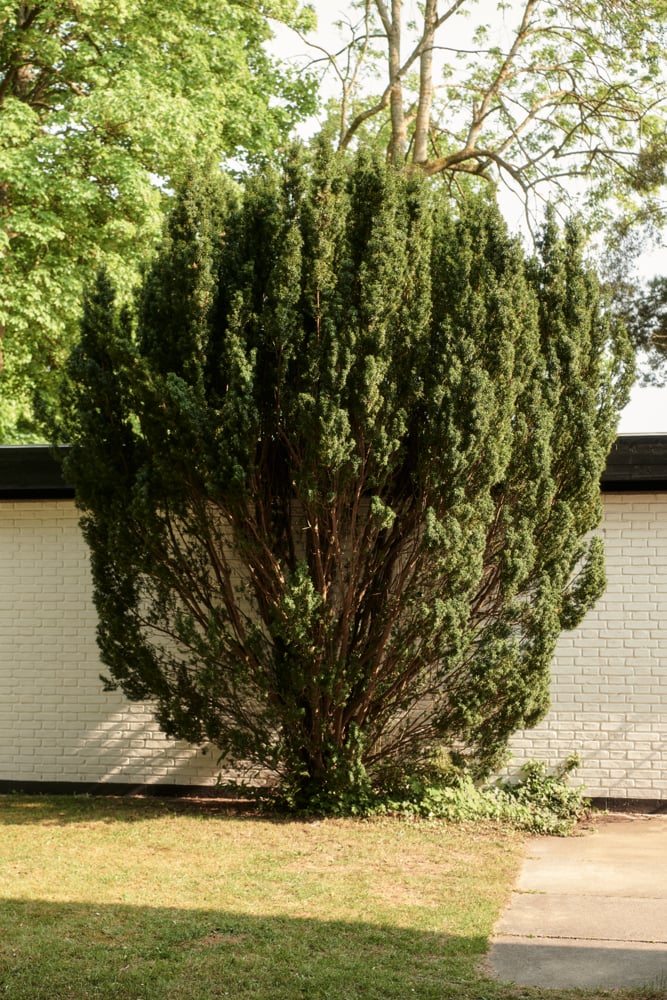
    Research has shown that welcoming nature back into our interiors helps to promote well being and lowers our cortisol levels significantly. 

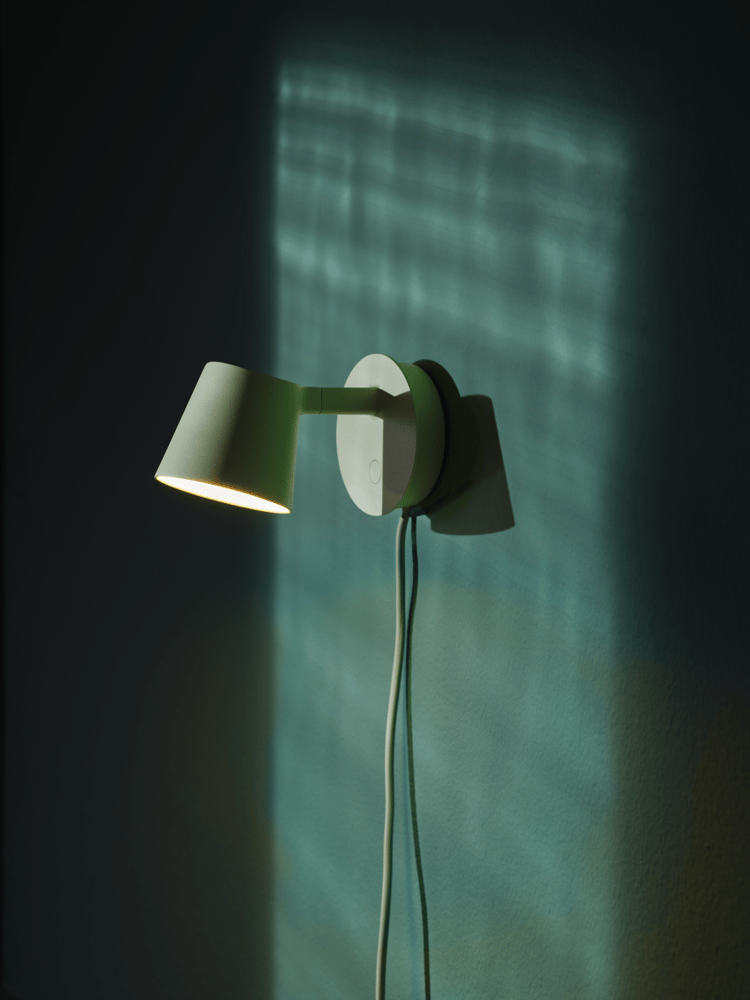
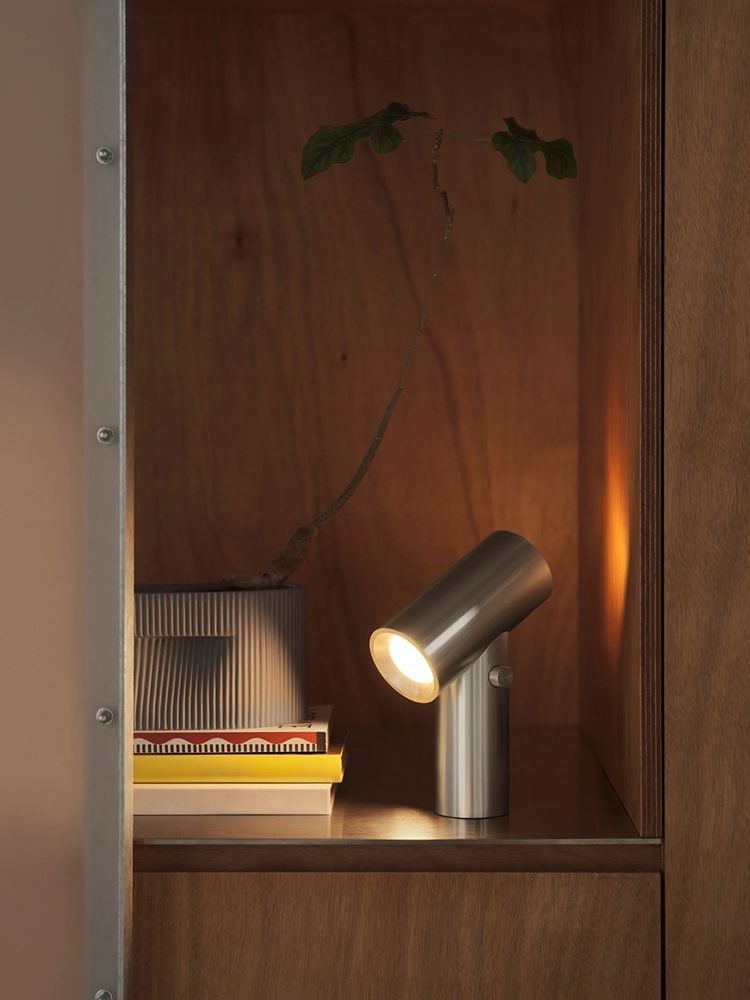
    2. light as a tool

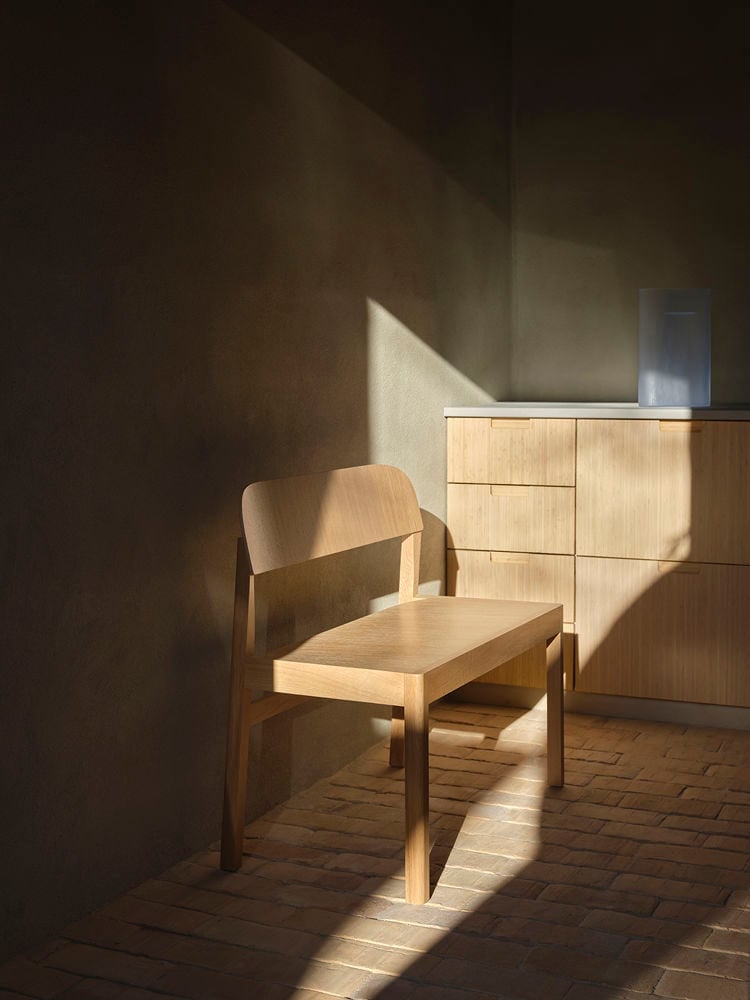
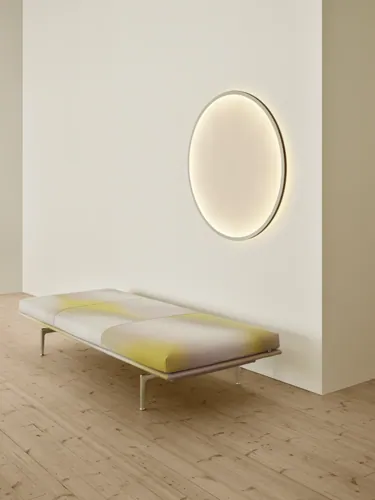
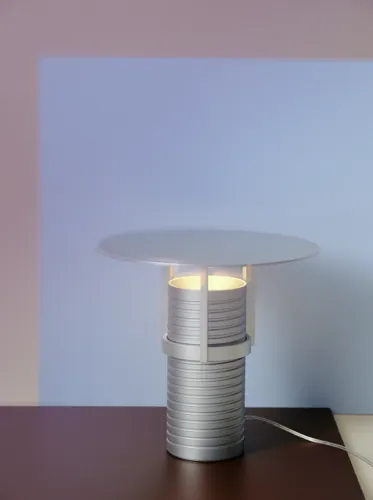
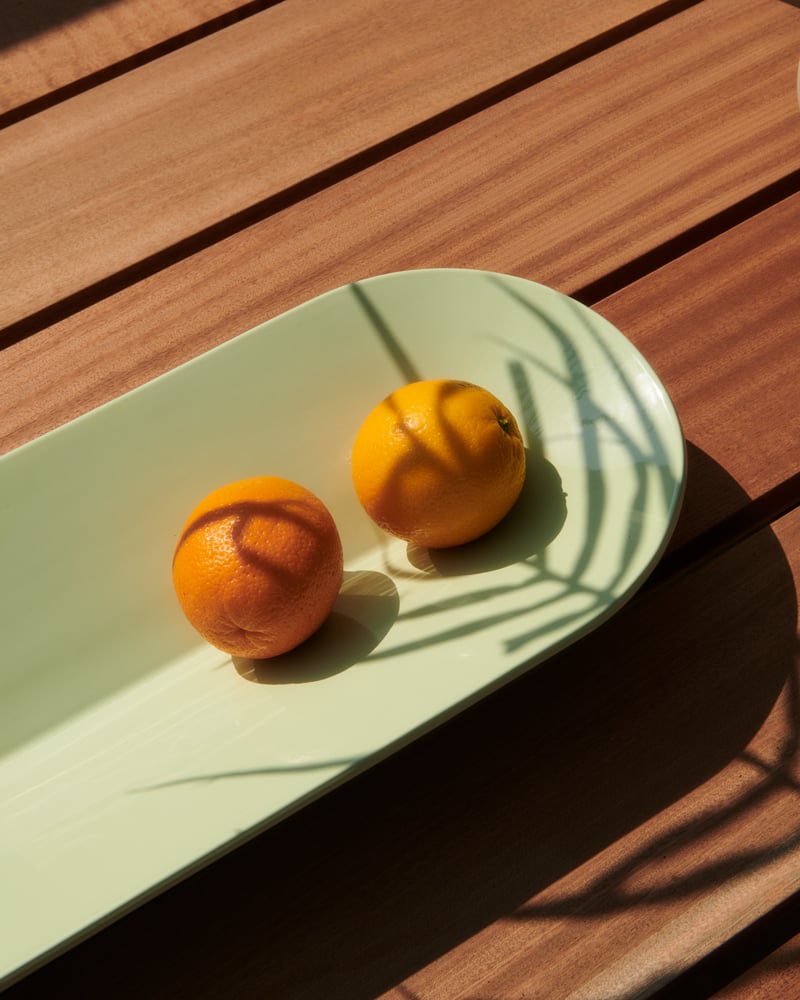
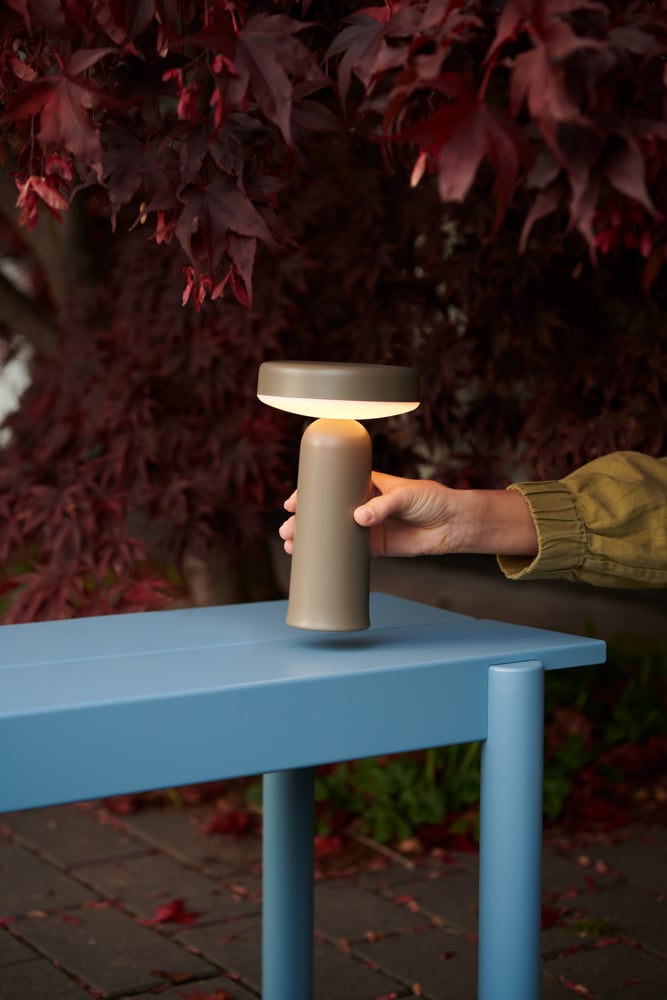
    Our circadian rhythm is greatly impacted by both natural and artificial light. For example, cooler light makes us more alert, while warmer light temperatures inspire a sense of calm. 

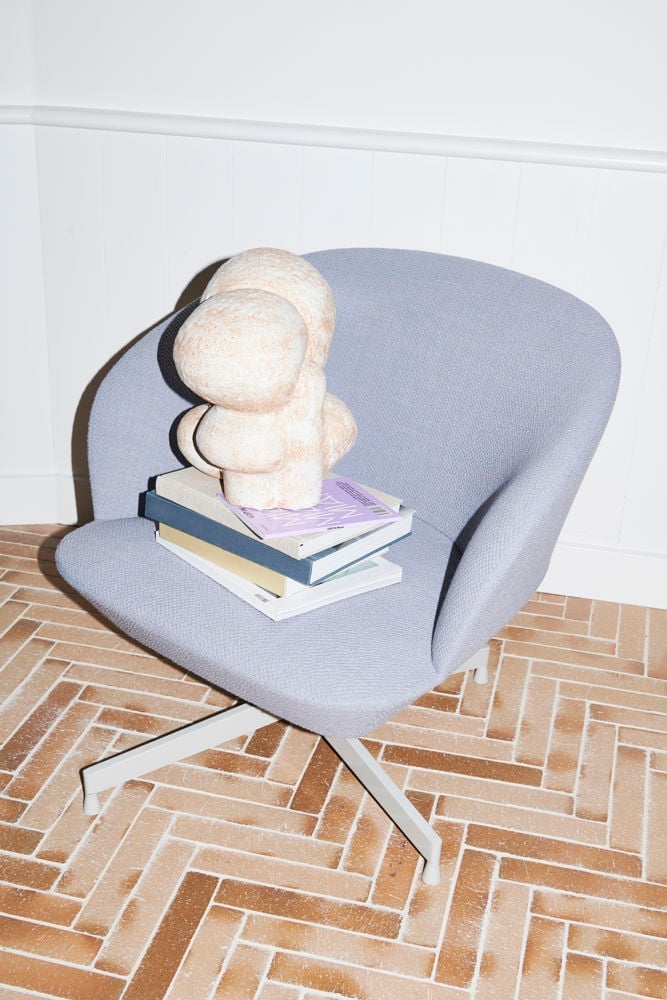
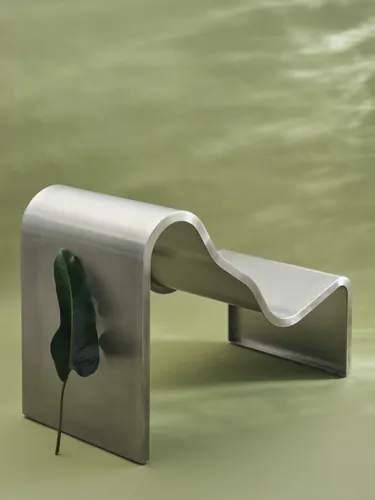
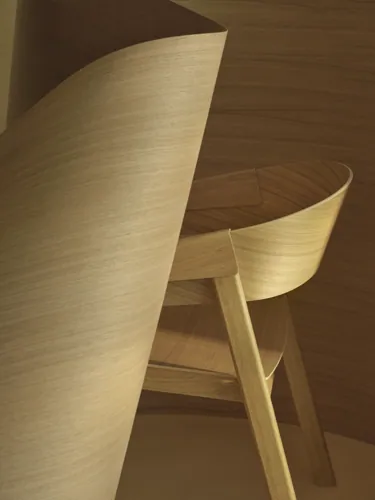
    3. the pull of round shapes

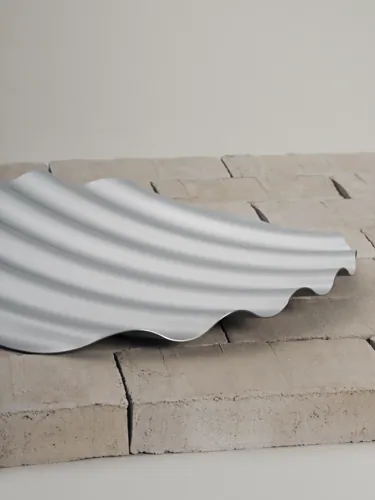
    "We naturally gravitate towards certain shapes, in particular smooth curves. Research has shown that the smooth curves of modernist sculptor Jean Arp produce a pleasant sensation in the beholder — that we prefer smooth to sharp angles."

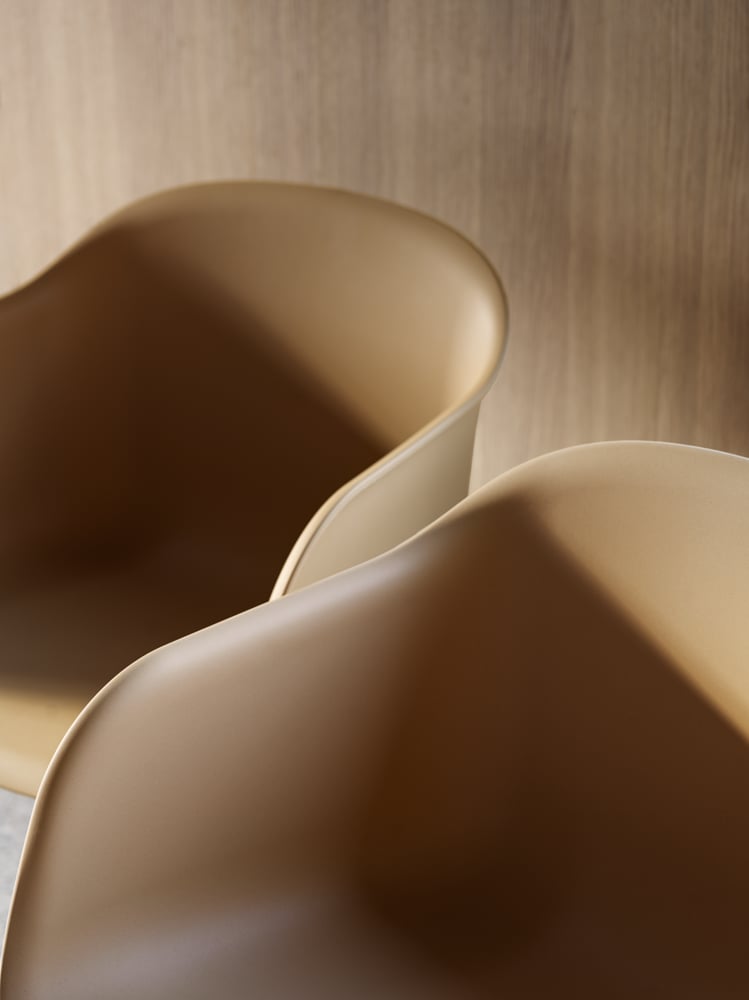
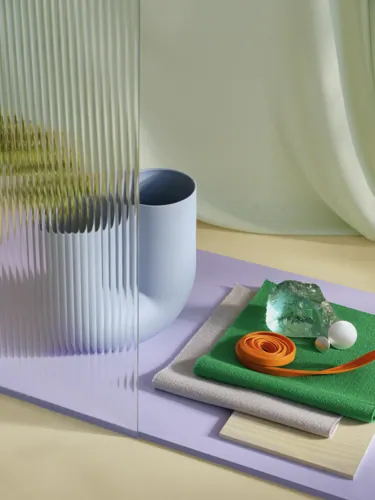
    4. no wrong color combinations

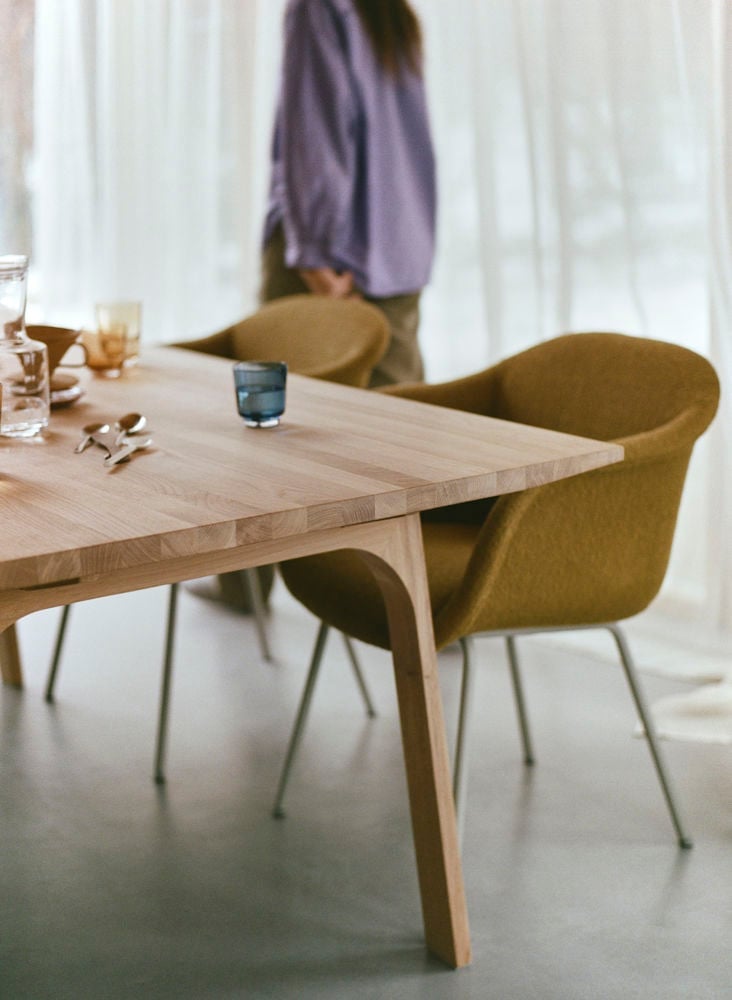
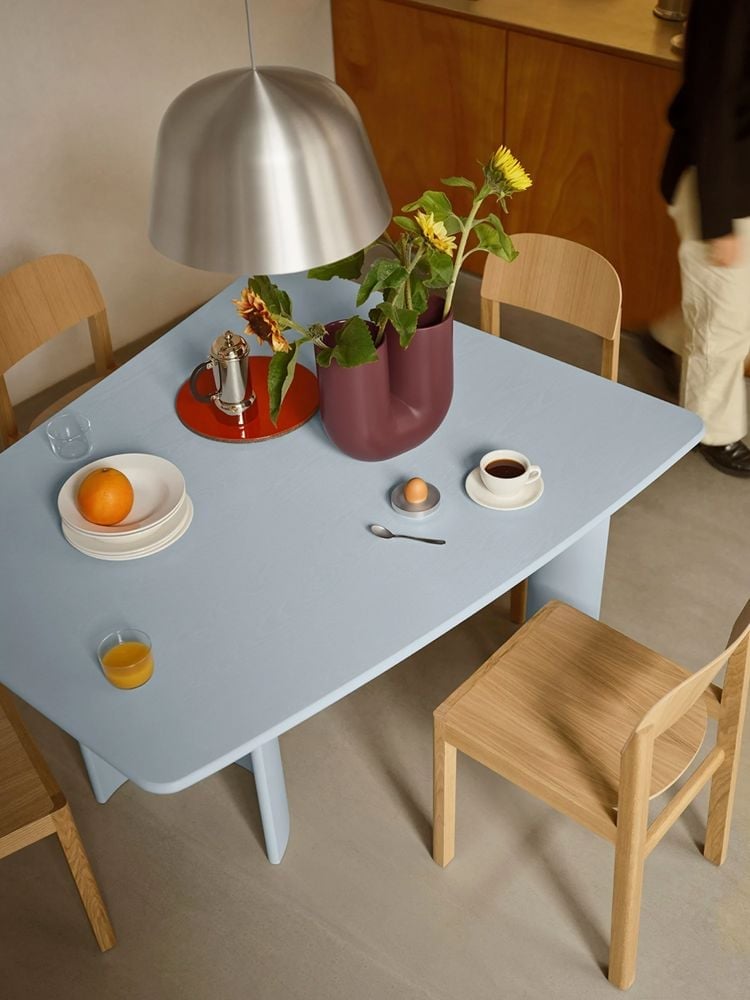
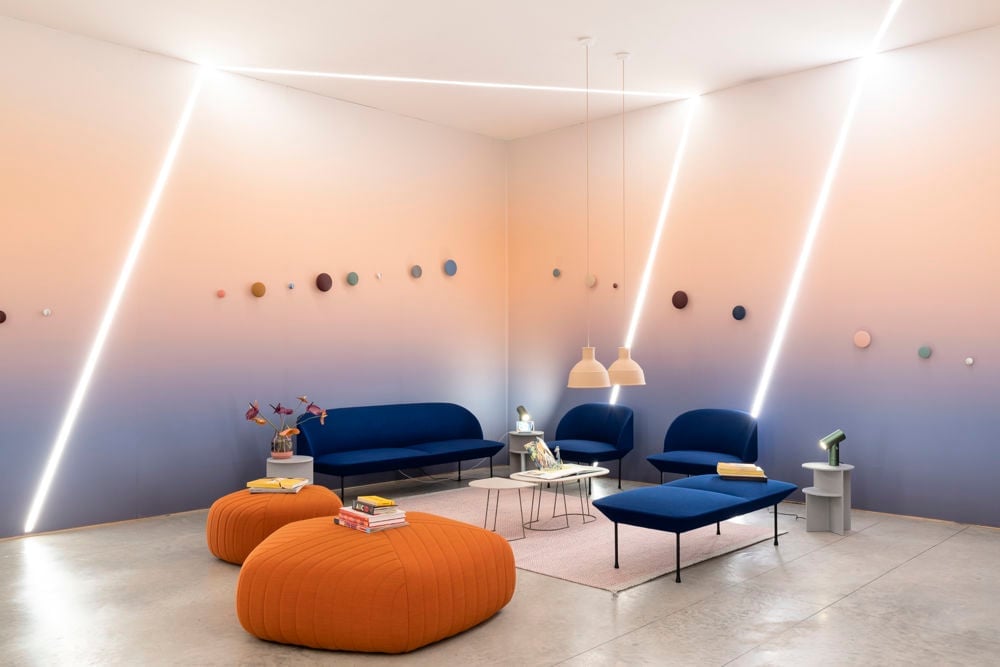
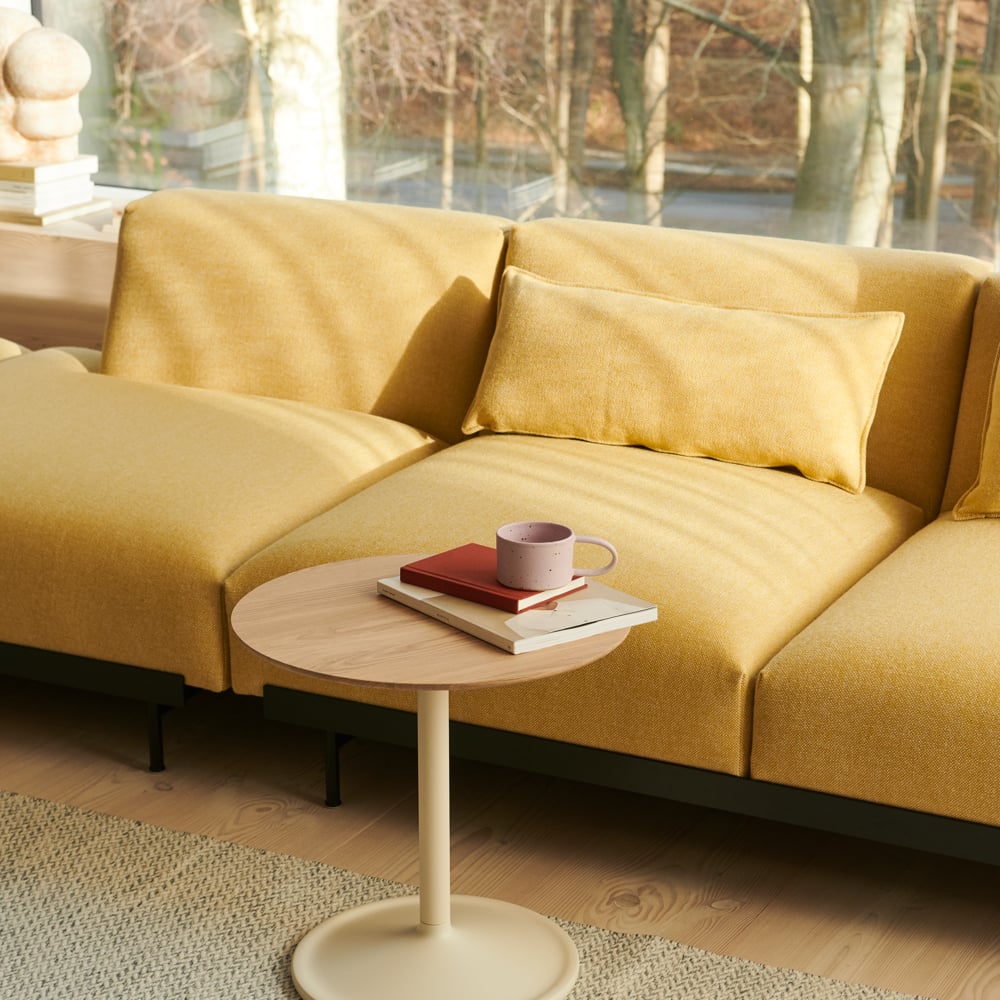
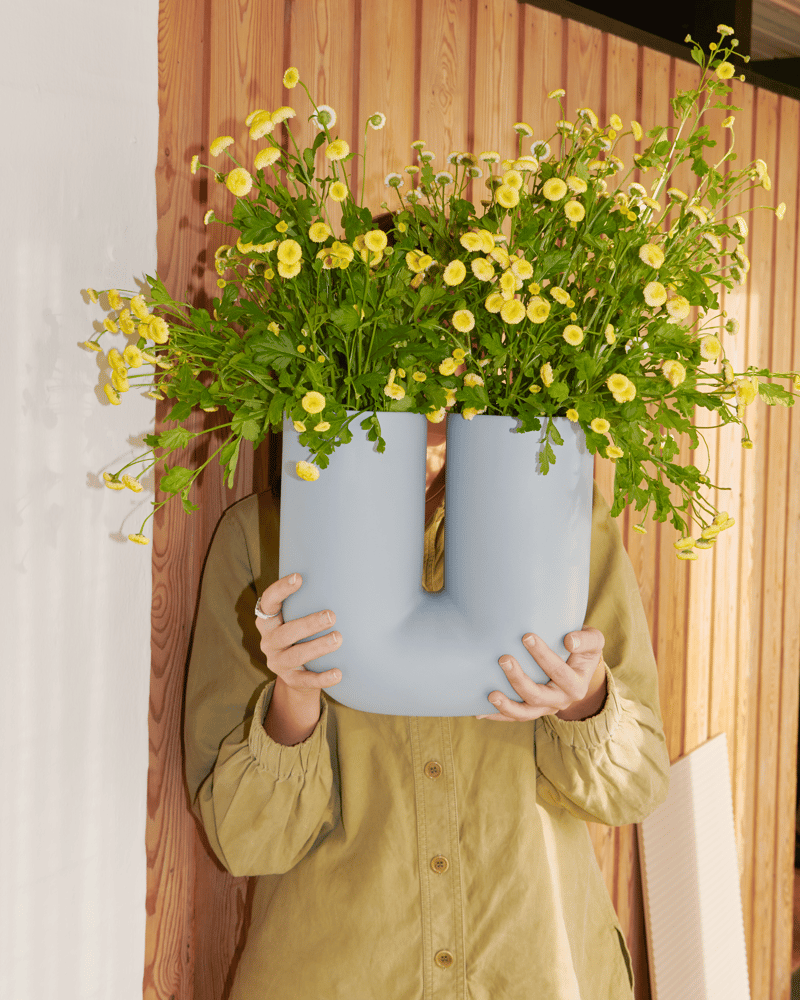
    Color has biological and psychological effects on us. It can bring about a visual sense of ease or vibrance to our surroundings, but also profoundly influence the way we feel and behave in a space.

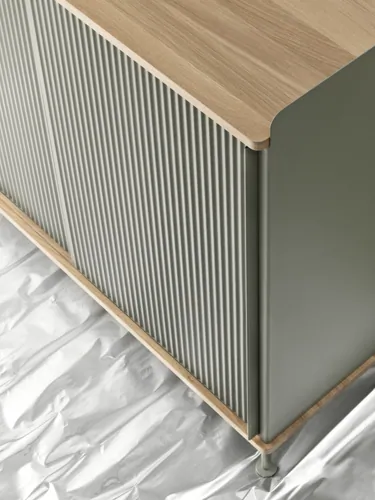
    5. tactility — knowing with our hands

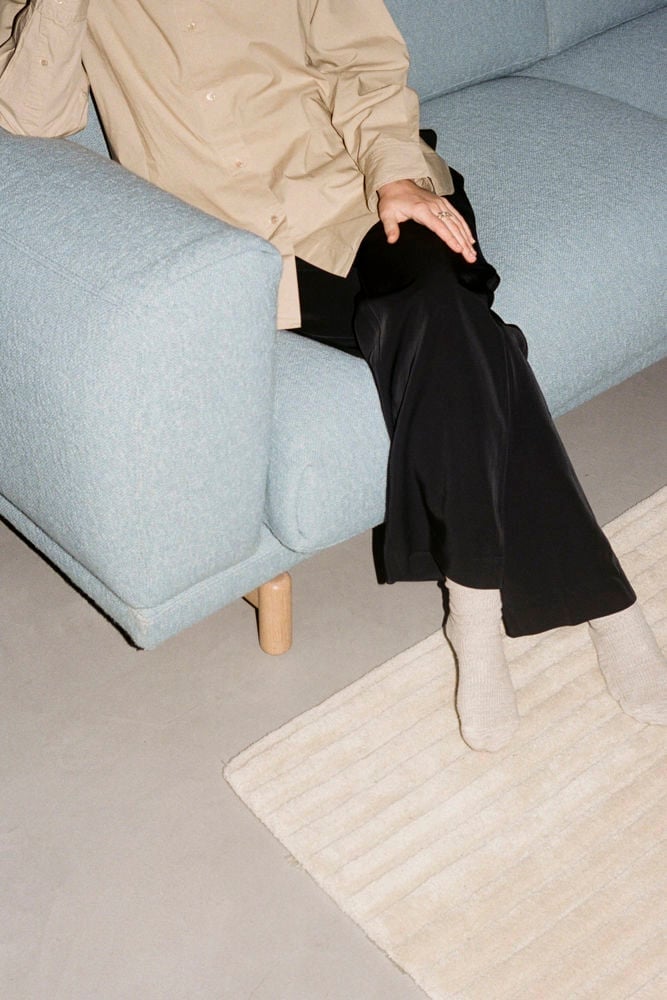
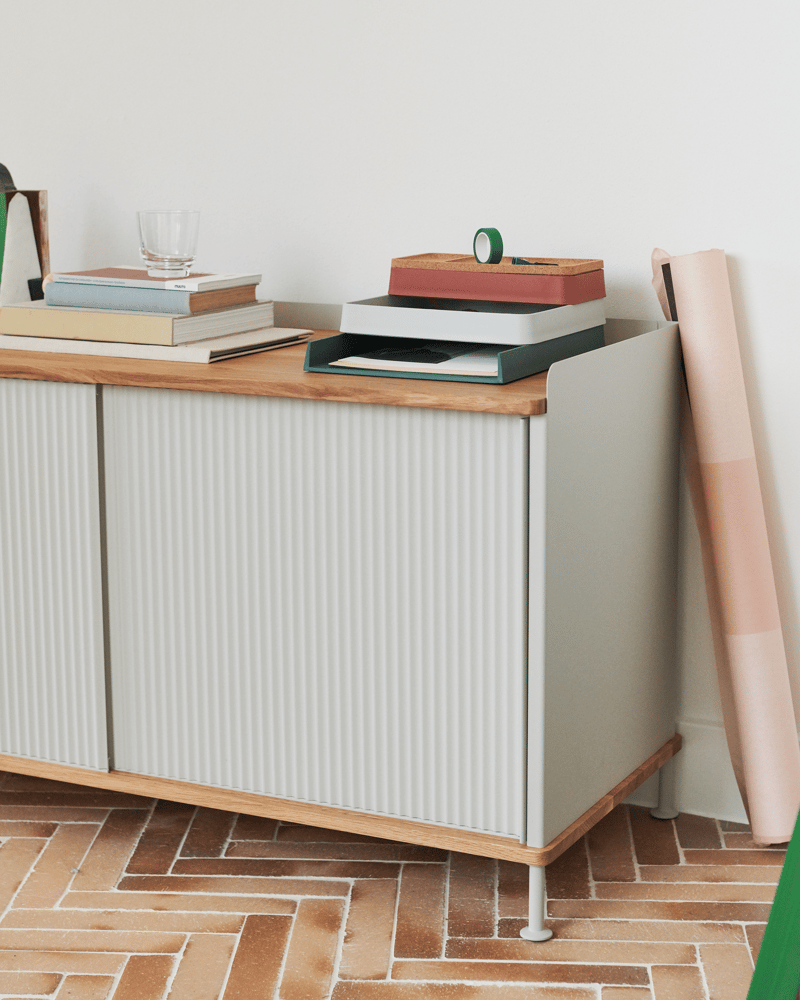
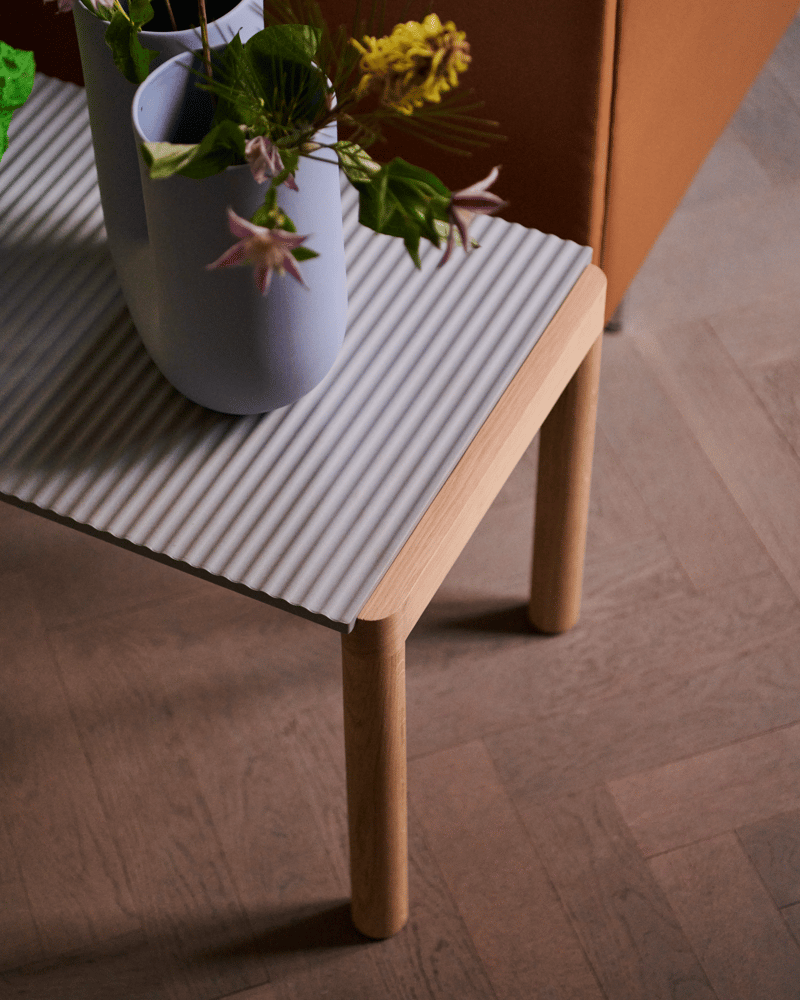
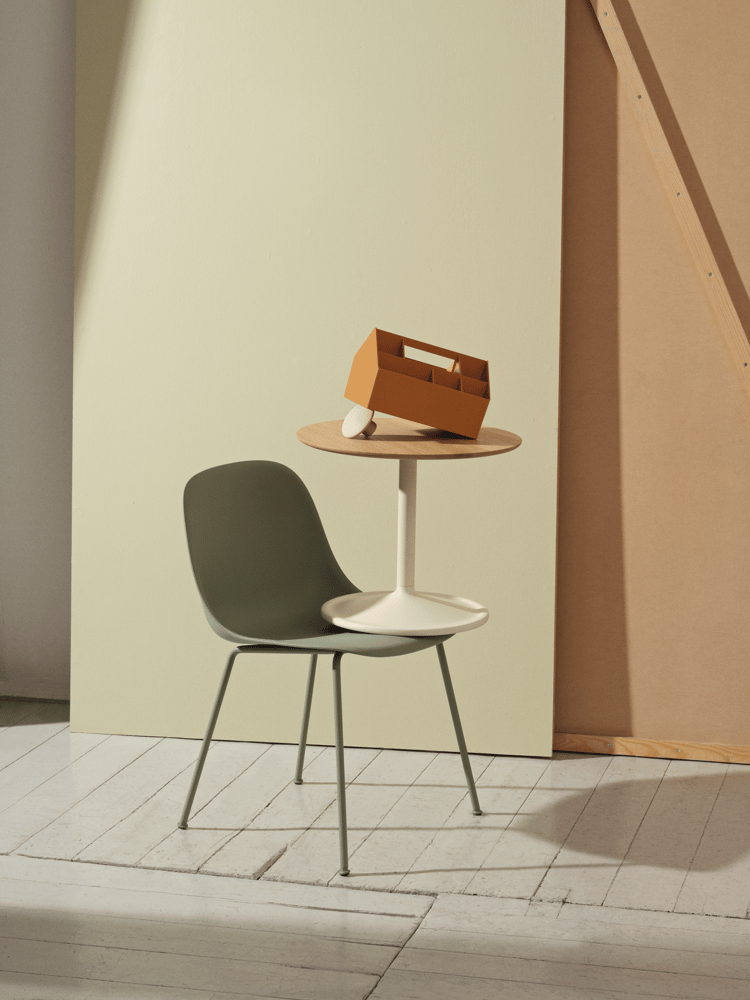
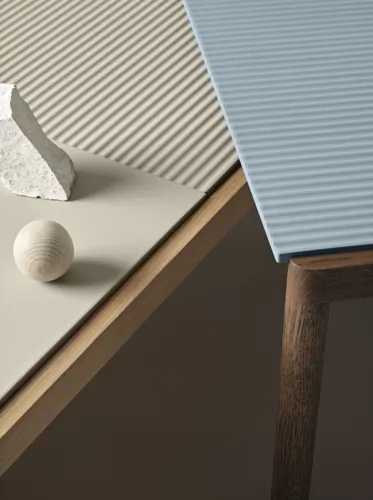
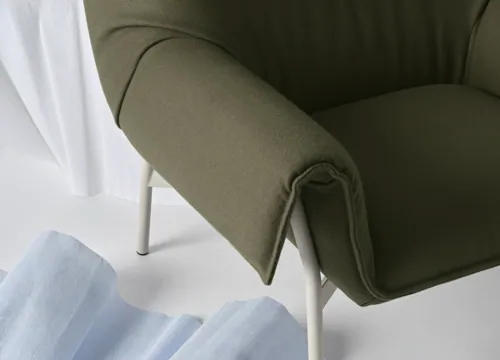
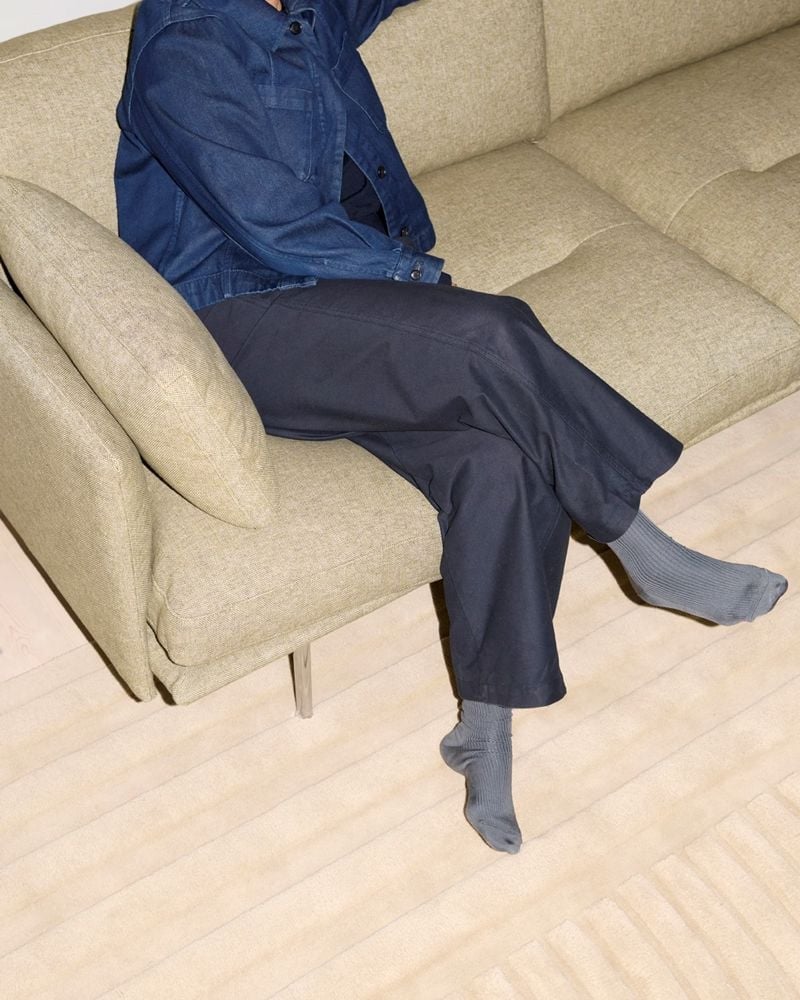
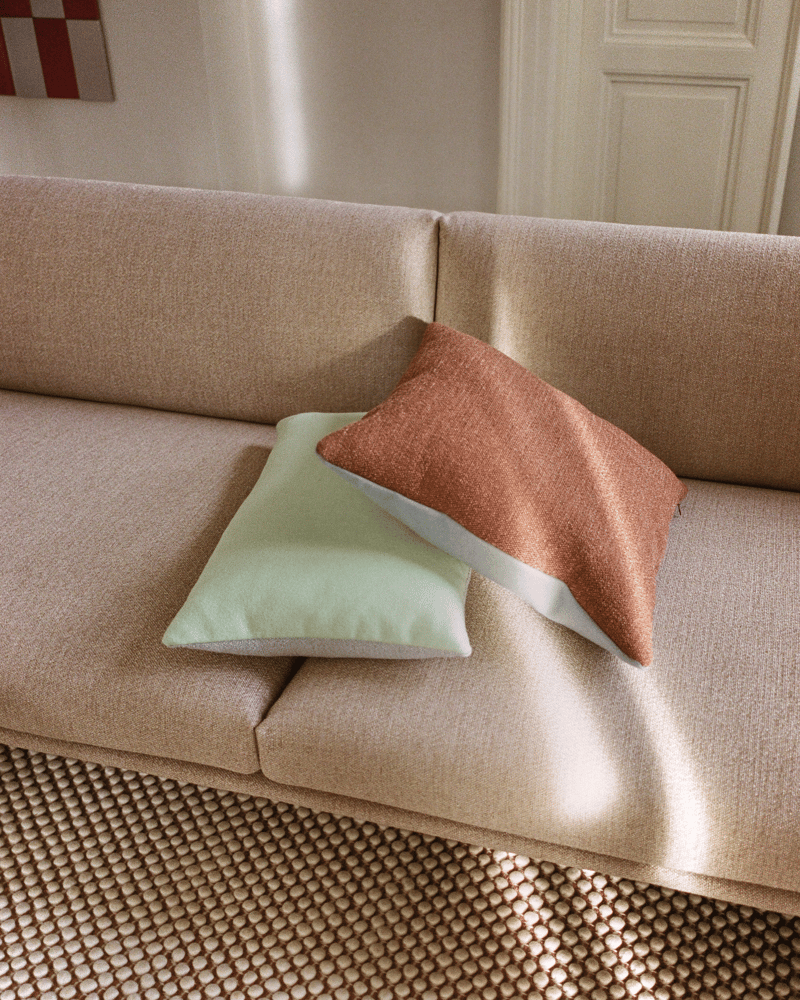
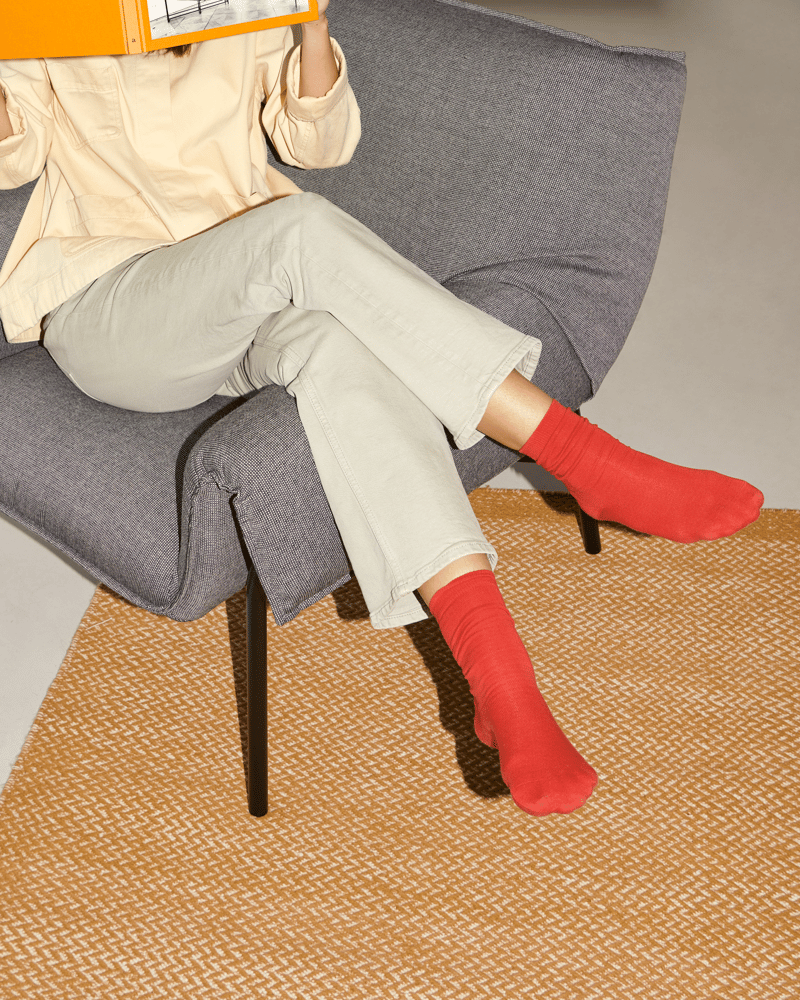
    We perceive the world around us through all of our senses. It is not just about how something looks but how it feels — we experience objects and spaces through our sense of touch. We know with our hands.

    The impact of neuroaesthetics on design and spaces

    Neuroaesthetics is about mind-body connection: a scientific discipline that explores and measures how creative expression makes an impact on us. It gives a deeper understanding of the way art, design, and architecture activate our senses and stimulate our sense of well-being. Understanding how we respond to different spaces allows us to better discern the connection between body, mind, and design.

    “When you have heightened aesthetic experiences... They change you. They change your biology. They change your mood. They change your emotion”.

    creating intentional spaces

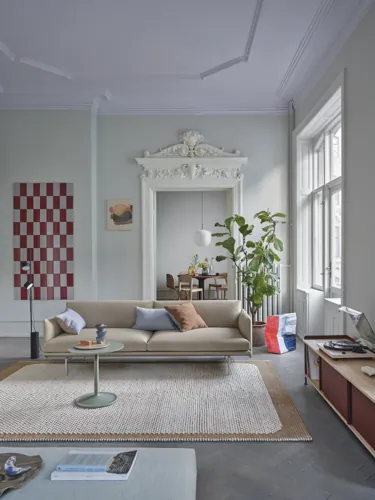
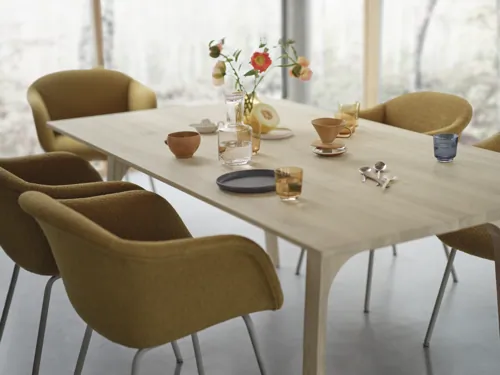
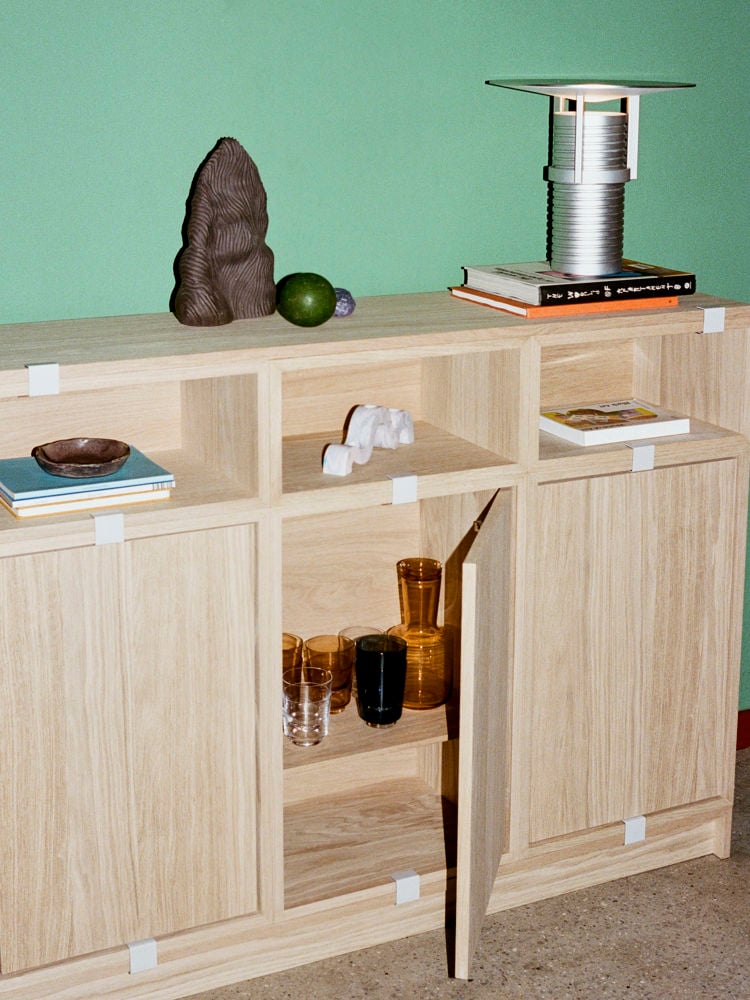
    It all has to do with the space and intention: what kind of setting are we trying to create? And what should it make us feel? Taking cues from the field of neuroaesthetics enables us to make more informed decisions when designing a space, tailored to the people using it and the activities that take place. It allows us to create intentional spaces that change according to user and need, all while promoting well-being.

    We hope our approach will inspire you to reflect on your surroundings. As you browse through our universe, let our pictures and words inspire you—and encourage you to create spaces that feel just right.
    muuto

    A Sense of Belonging

    New long read available

    Following part one of our series on neuroaesthetics in practice—which explored how color, form, light, nature, and tactility shape sensory experience—this second part turns to the concepts of hominess and belonging in design. Through conversations with two leading scholars in the field, Anjan Chatterjee and Cleo Valentine, we explore how atmosphere, sensory cues, and spatial flow help us feel safe, comfortable, and instinctively at home.

    exploring design's impact on our biology

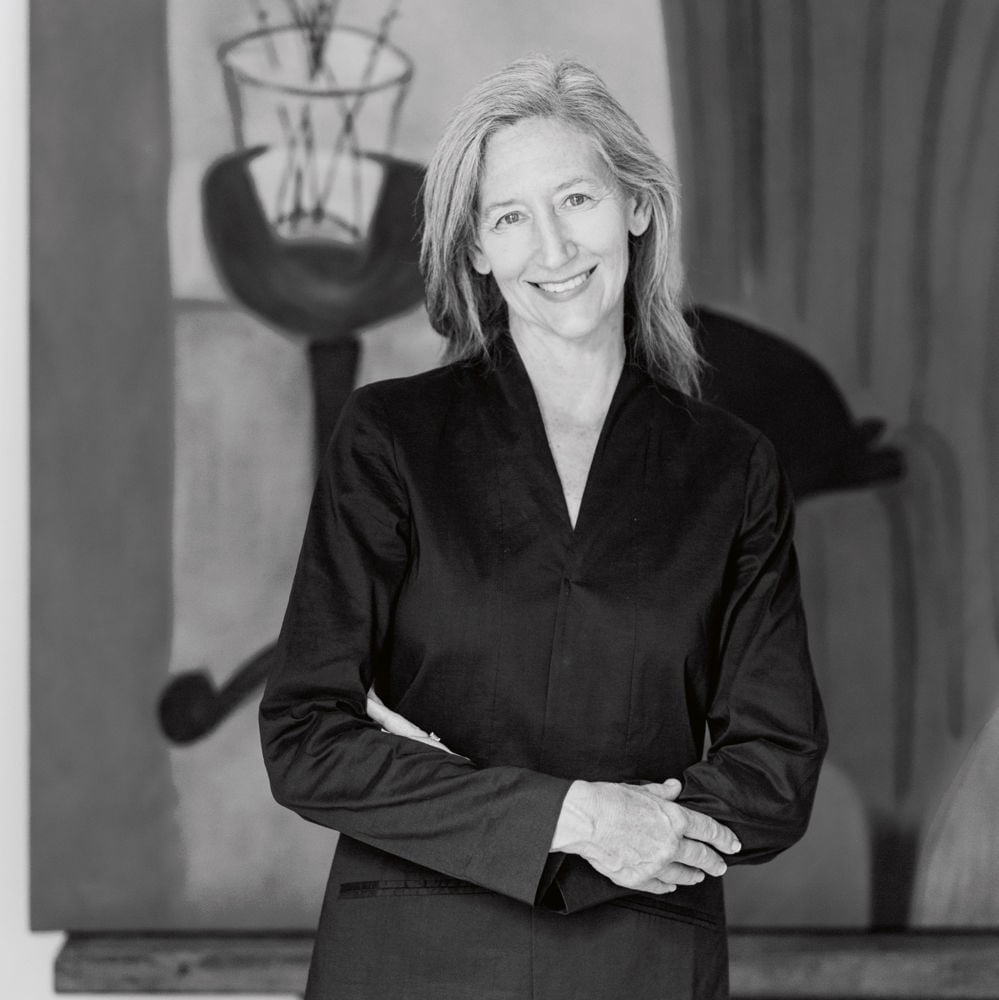
    We have explored design’s potential for producing well-being through our longstanding collaboration with Susan Magsamen, Executive Director of the International Arts + Mind Lab at Johns Hopkins University. This journey began with our exhibition at Milan Design Week already back in 2019 and has since inspired us to create more intentional objects and spaces.

    panel talk / tuning into nature

    Nature is our original home, yet we now spend more than 90% of our time indoors. During 3daysofdesign 2025, we hosted a conversation in our Muuto Courtyard exploring how the principles of nature can be integrated into both indoor and outdoor spaces to profoundly improve our well-being.

    our sustainable perspectives

    At Muuto, we aim to take responsibility for our operations and reflect on the choices we make and how our priorities affect the wellbeing of people and the environment.

    our stores and spaces

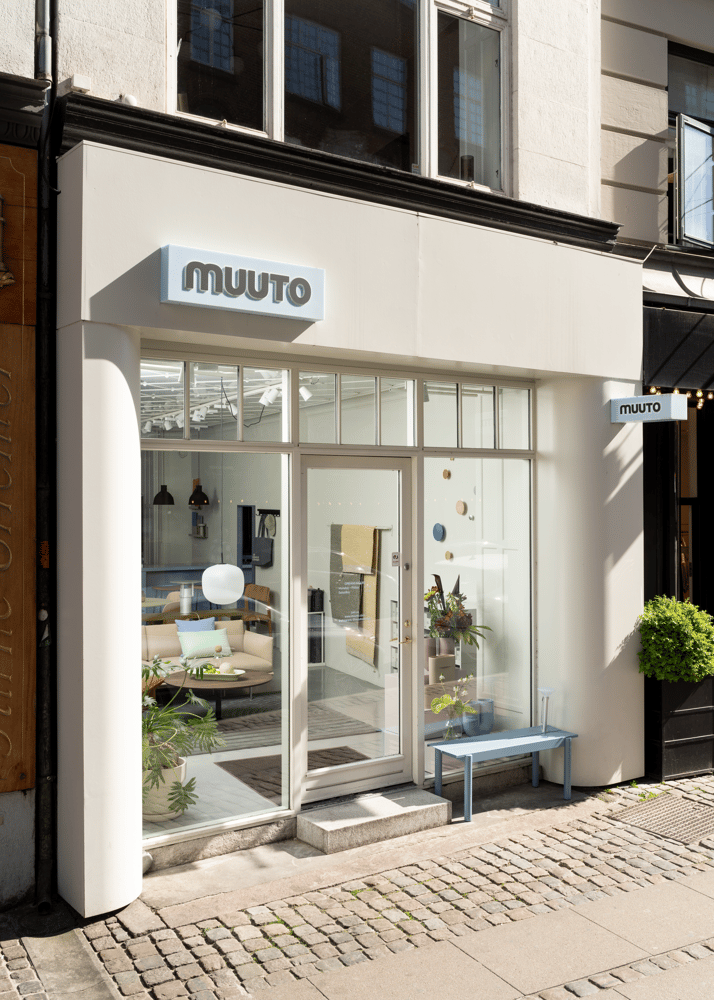
    Experience our take on intentional designs in our many spaces around the world.

    •  


    select country

    our guess is, you're located in