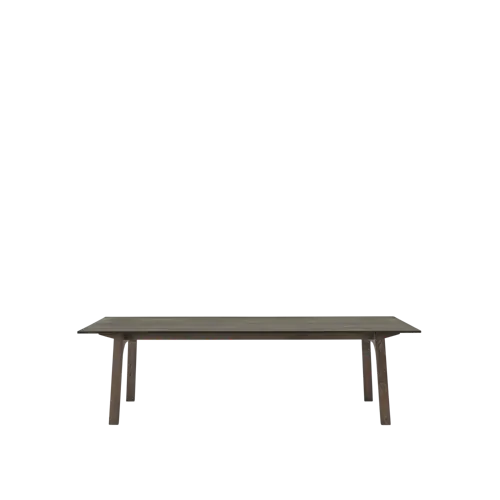
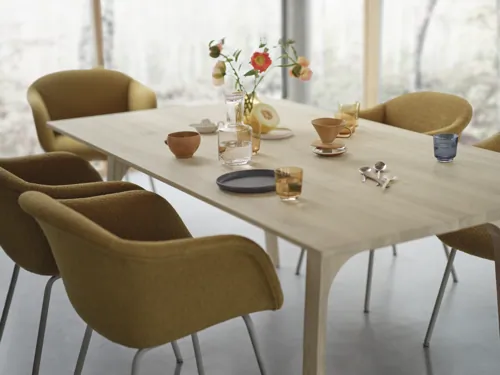
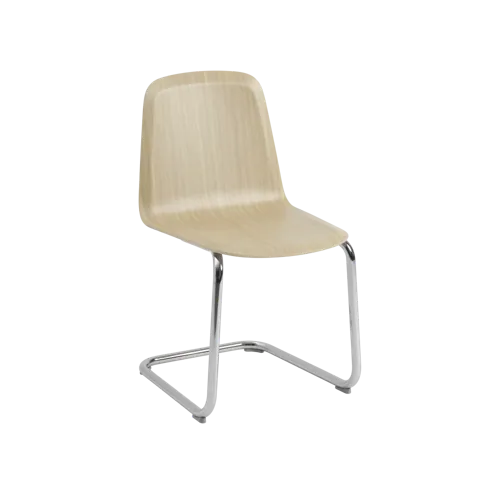
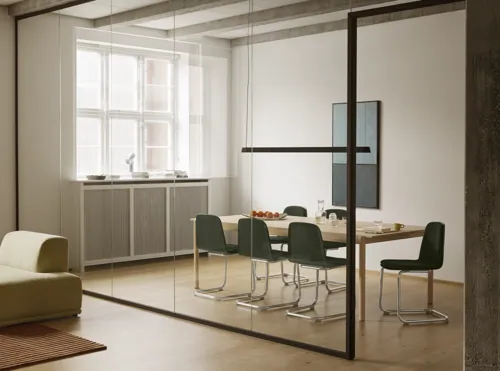
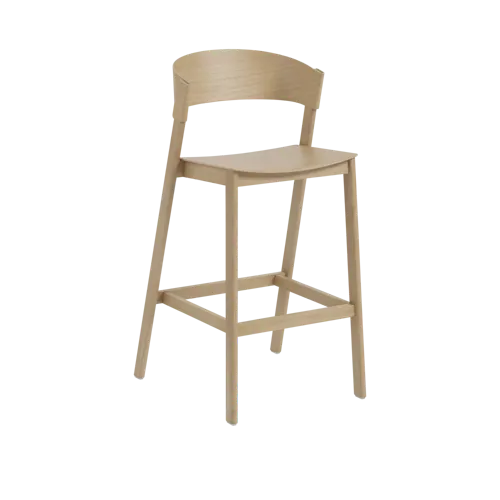
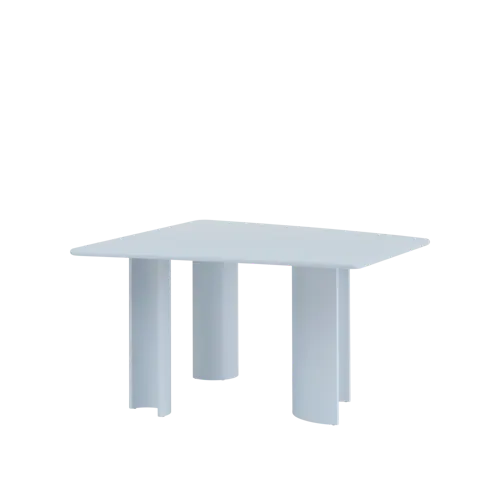
${ product.name }
${ product.typeTitle }
Item no ${ product.sku }
- ${ setting }
- ${ product.variantName}
reflecting on materials
Whenever we develop a new product with our designers, we reflect on the impact it will have on your health, your surroundings and the environment.
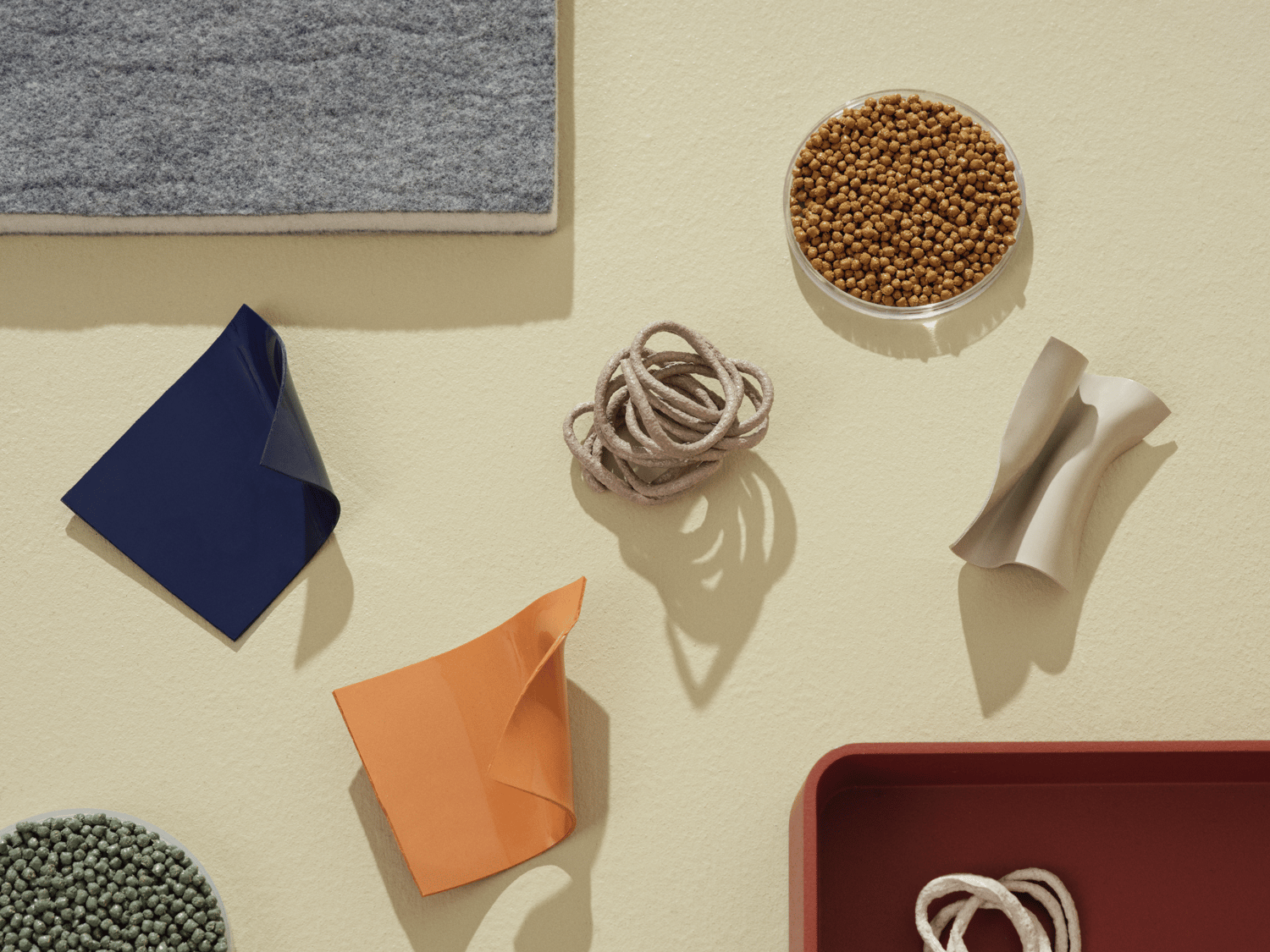

We continuously seek new perspectives and work with the best in our industry to learn about new techniques and materials. The search for the right materials is an integral part of our design process and we put great importance on all the materials that comprise a design. From the large components, such as wood and textiles, all the way down to packaging. In addition to the visual appeal, tactility and durability, we also consider a material’s origin and life cycle.
At Muuto, we believe durability should never come at the cost of well-being. That’s why we’re rethinking what our designs are made of—right down to the invisible details.
As part of our commitment to phasing out PFAS, we have already succeeded in eliminating all intentionally added PFAS from our textiles and indoor furniture assortment — eliminating a harmful chemical group without compromising on quality, functionality or aesthetics.
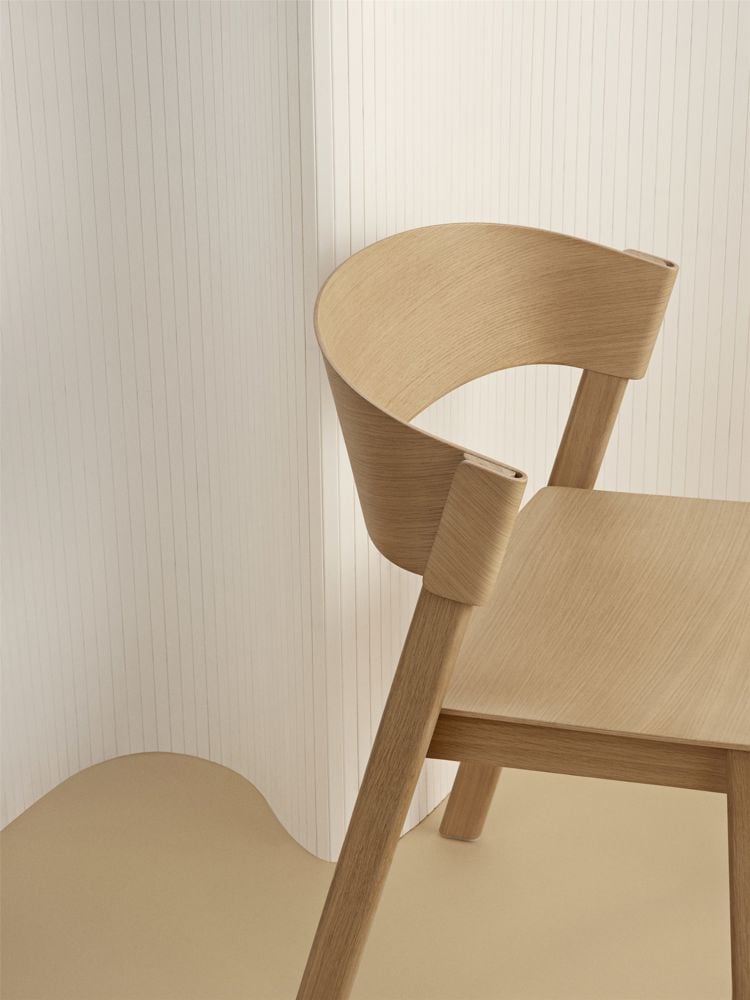
The essence of circular thinking is to ensure that materials are recycled into another product and re-used by another person. In doing so, we prevent materials from polluting our oceans and the environment at large.
That’s why years ago, we introduced products made with recycled materials. To minimize waste, consumption of natural resources and greenhouse gas emissions and to add to a circular economy.
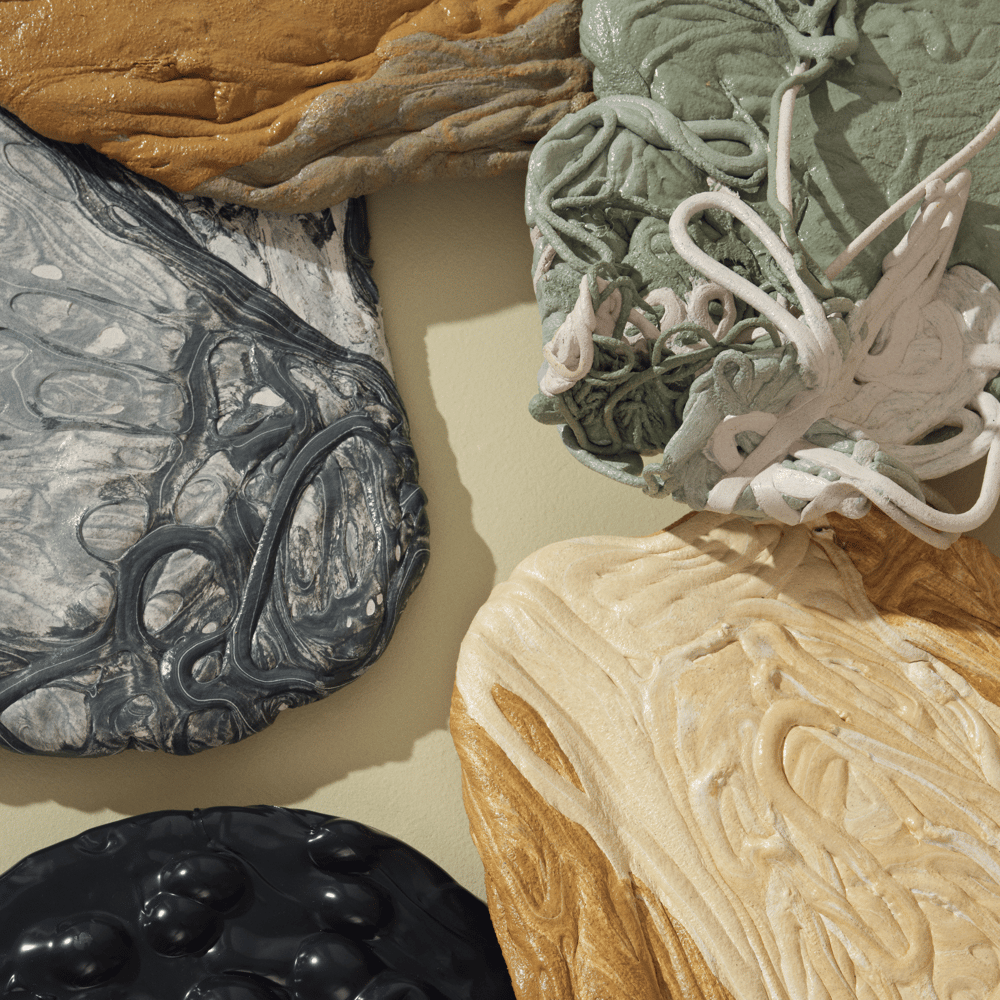
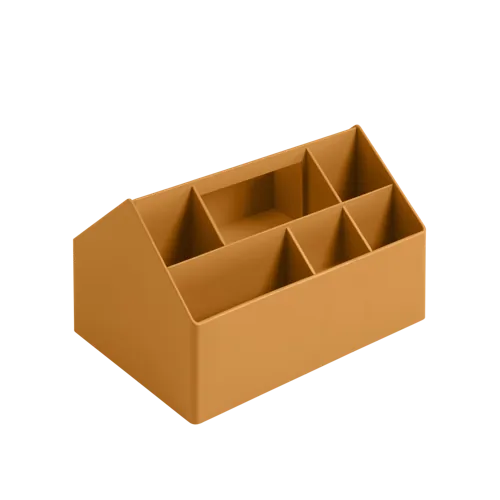
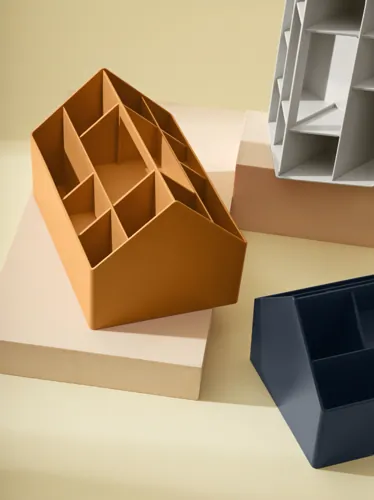
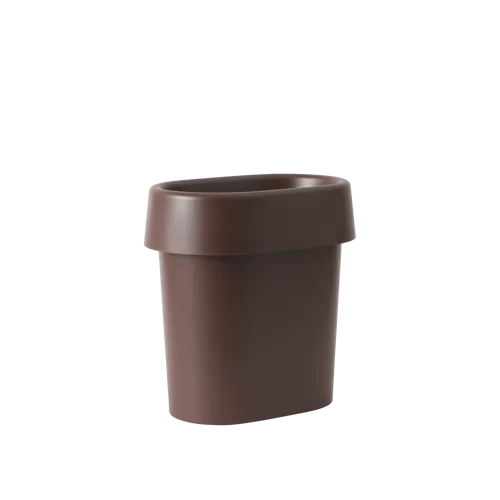
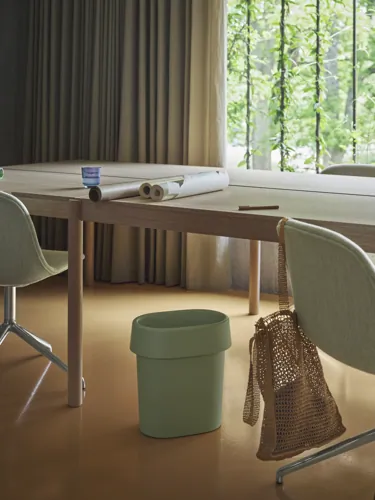
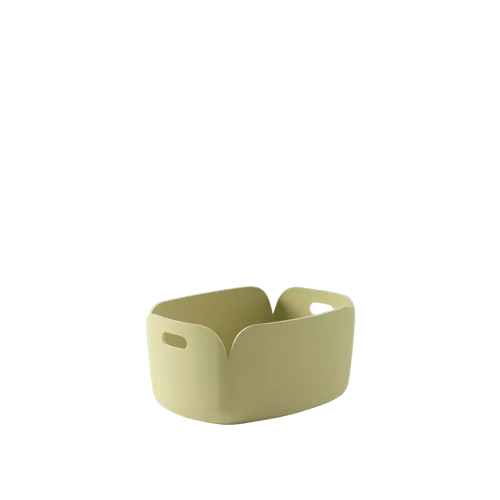
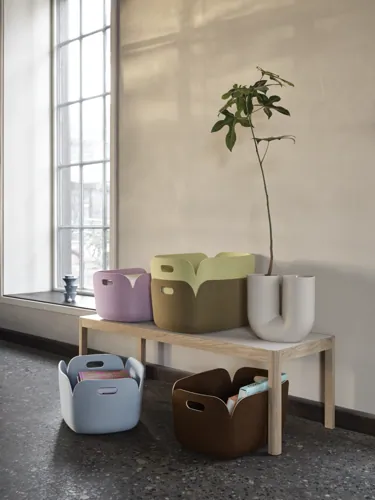
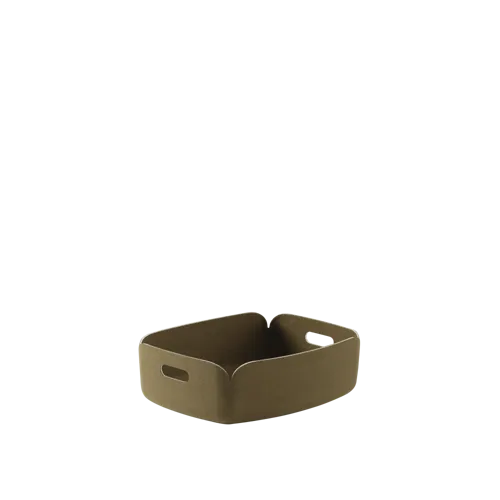
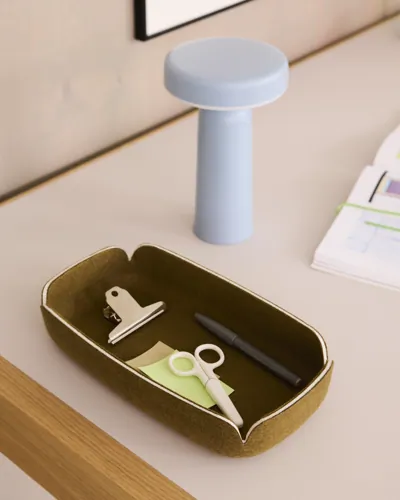
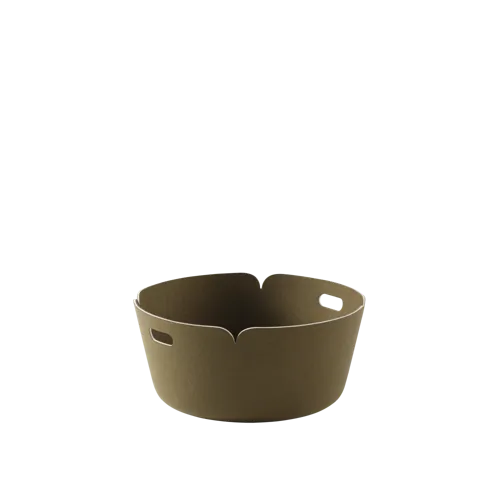
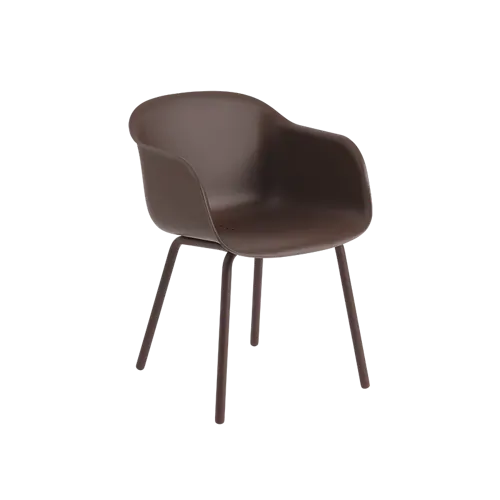
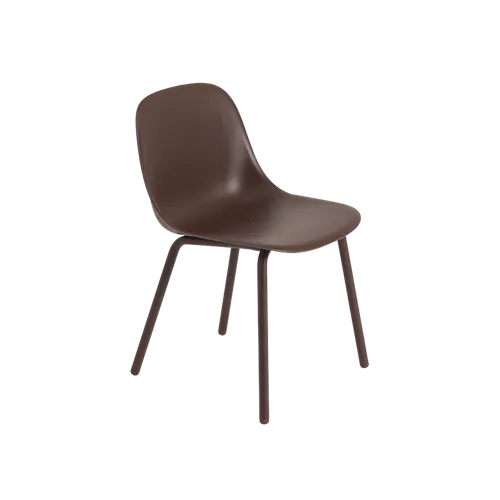
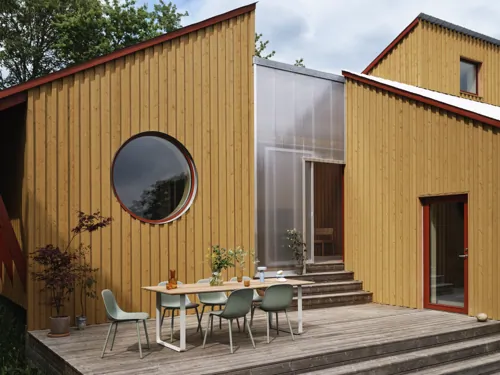
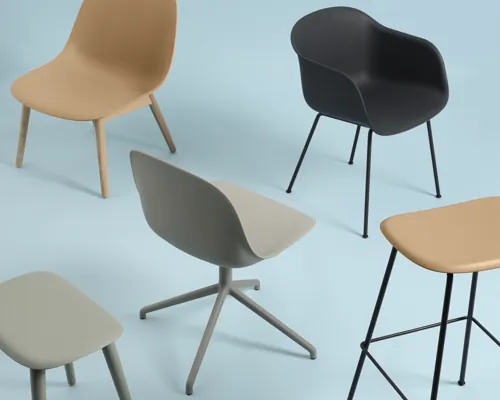
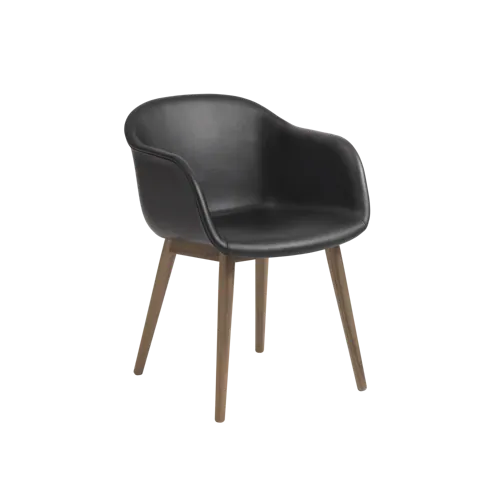
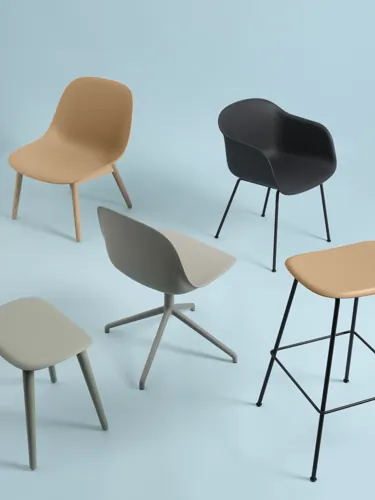
For example, the Fiber Chair Family is an essential part of our product portfolio and with them being made using 100% recycled plastic and wood fibers, they are an ambitious starting point for reducing our use of virgin plastic. In addition, the Sketch Toolbox, Restore Series as well as the Arrange Desktop Series are made using 100% recycled plastic—and the Under The Bell Pendant Lamp is made using 49% recycled plastic.
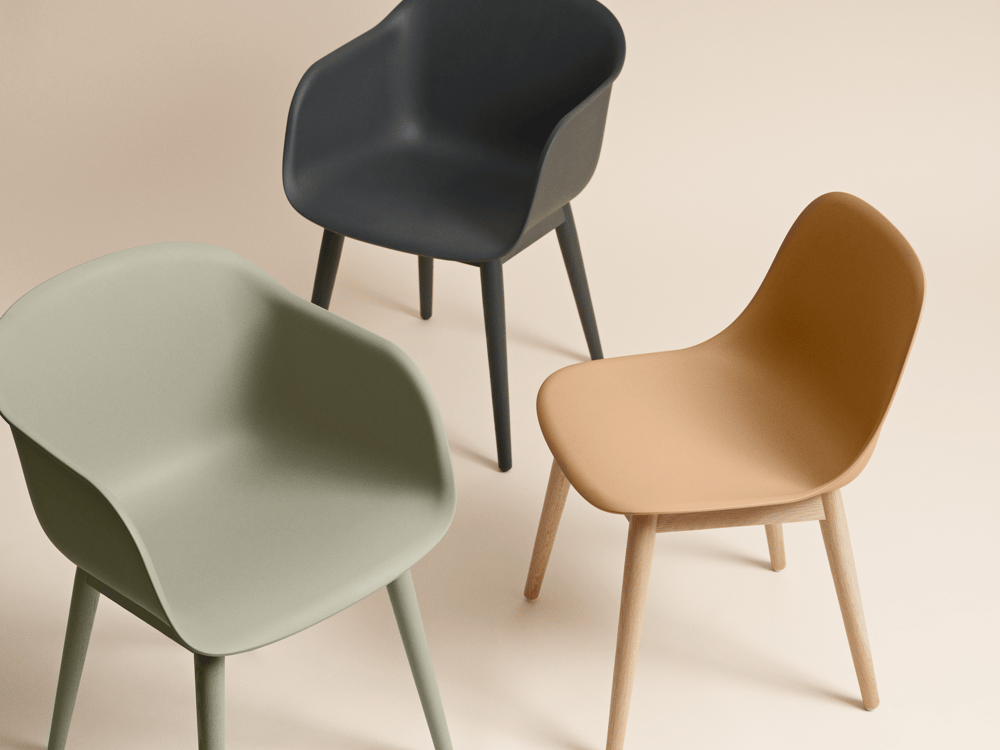
The Fiber Chair Family is an essential part of our product portfolio and transforming our production of it is an ambitious starting point in becoming more circular in our consumption of raw materials. In fact, by switching to recycled plastic, we expect to reduce our use of virgin plastic by more than 80 tons per year.recycled materials
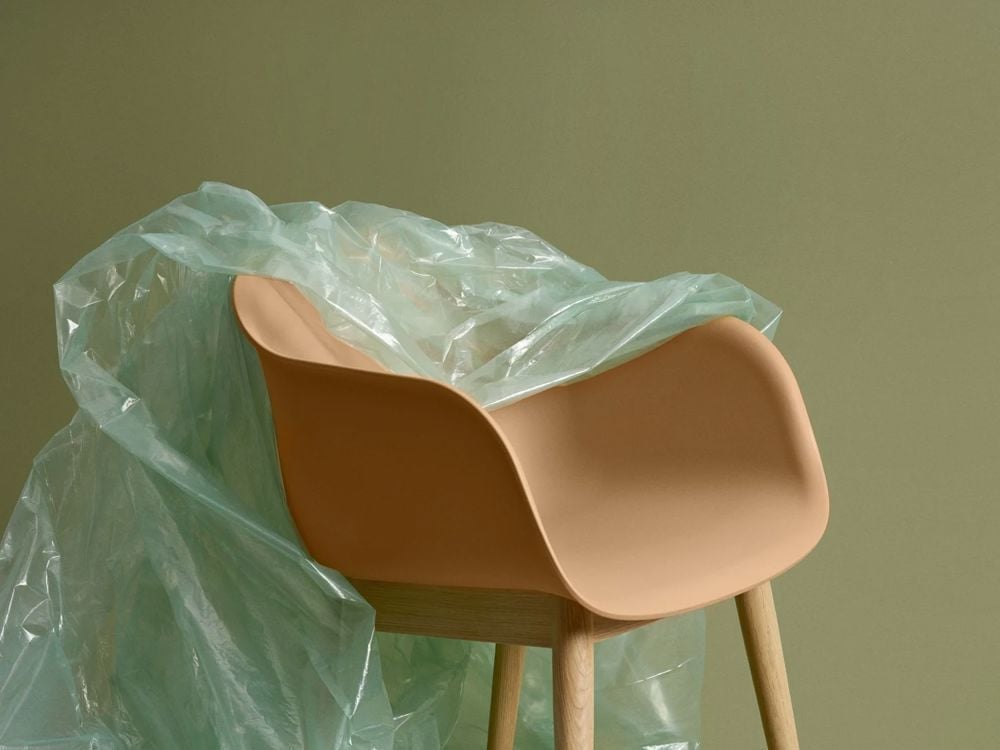
fiber take-back initiative
We are continuously looking for new ways to contribute to a circular economy, including new, inventive methods for recycling material. Our Fiber Chair Take-Back Initiative is a good example, where we recycle the raw material used for the shell of the Fiber Chair into new Fiber designs. Should you need to get rid of your Fiber Chairs, we want to make sure they don’t end up in a landfill. Therefore, we have launched the Fiber Chair Take-Back initiative. It’s a simple process that starts with sending Fiber Chairs to our Danish warehouse. We will then make sure that they are properly disassembled. Next, we will grind the shells down into a granulated form—ready to be molded into new Fiber Chair shells.
For more information, please reach out to fibertakeback@muuto.com
Muuto is an FSC™-certified company (FSC C028824). The Forest Stewardship Council™ (FSC) aims to ensure that forests are responsibly managed to protect healthy, resilient forests and the natural surroundings while supporting the local community. Look for our FSC™-certified products across our website.
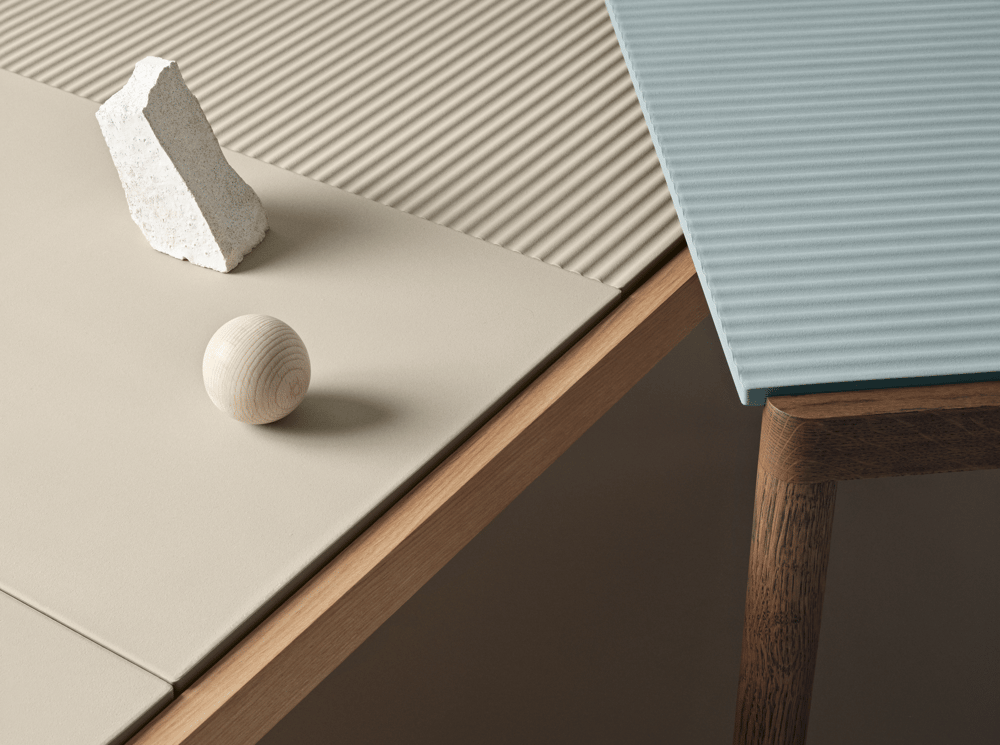
As an FSC™-certified company (FSC-C028824), we support responsible forestry. All new designs launched since 2022, using wood, are FSC™-certified.
We want our consumption of wood to support ecosystems, biodiversity, and communities.
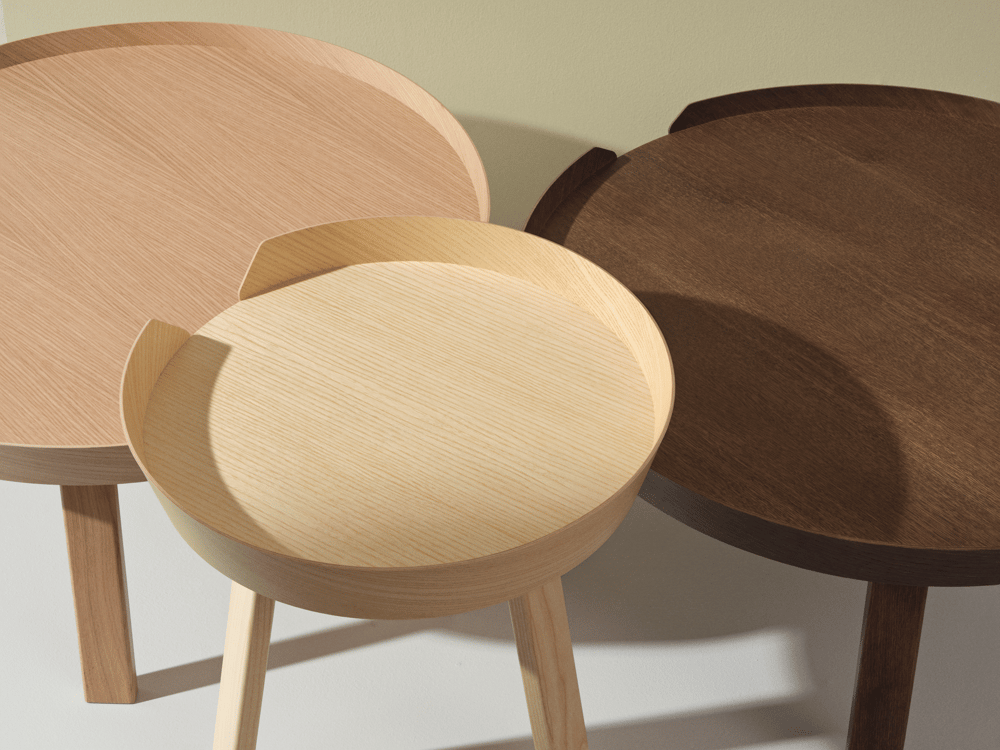
OEKO-TEX sets high safety standards for materials tested for harmful substances. That’s why we use OEKO-TEX foam for the majority of our upholstered furniture. What’s more, the majority of our textiles are sourced from the Danish textile manufacturer, Kvadrat which has received the EU Ecolabel. A certification synonymous with environmental excellence and promoting a circular economy, their criteria encompass the entire lifecycle of a product from raw material to disposal.
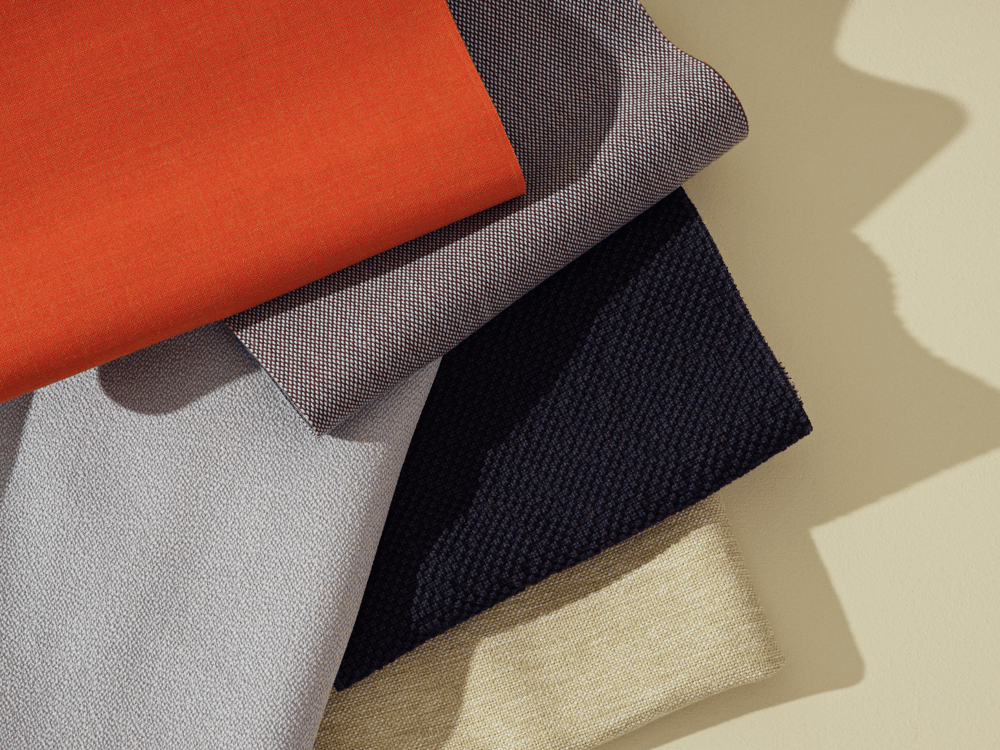
Instead of traditional PU-based lacquers, we use a water-based lacquer as it emits fewer harmful chemicals. That, in turn, contributes to a healthier indoor climate and better working conditions in the production phase. Water-based lacquer also minimizes waste during production. Today, the majority of our wooden furniture is made using water-based lacquers.
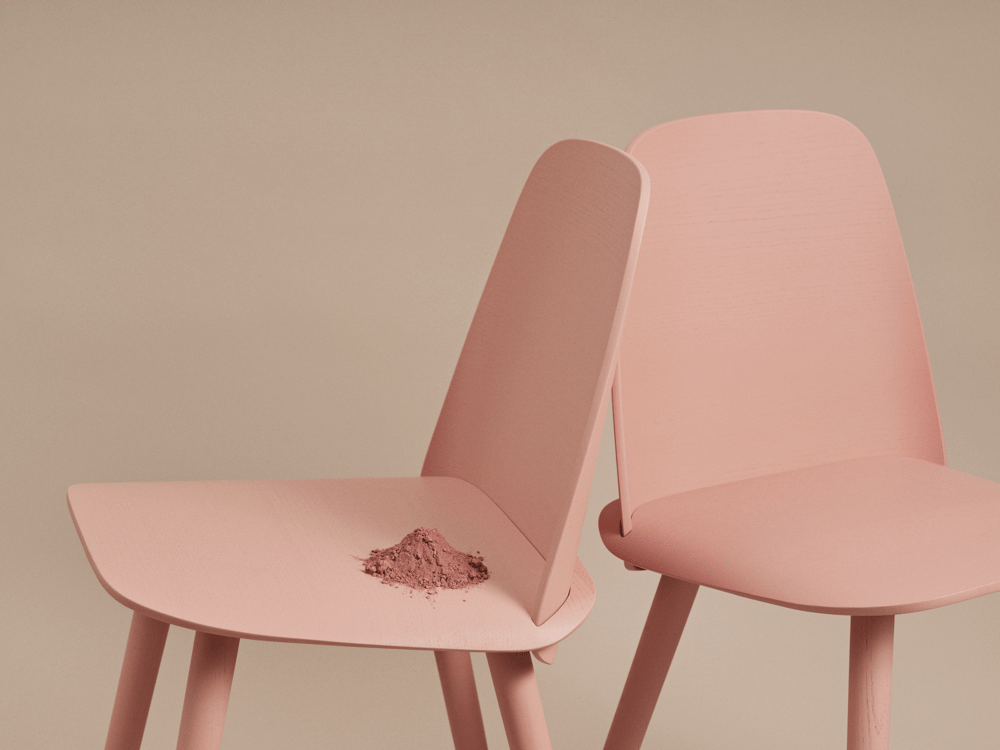
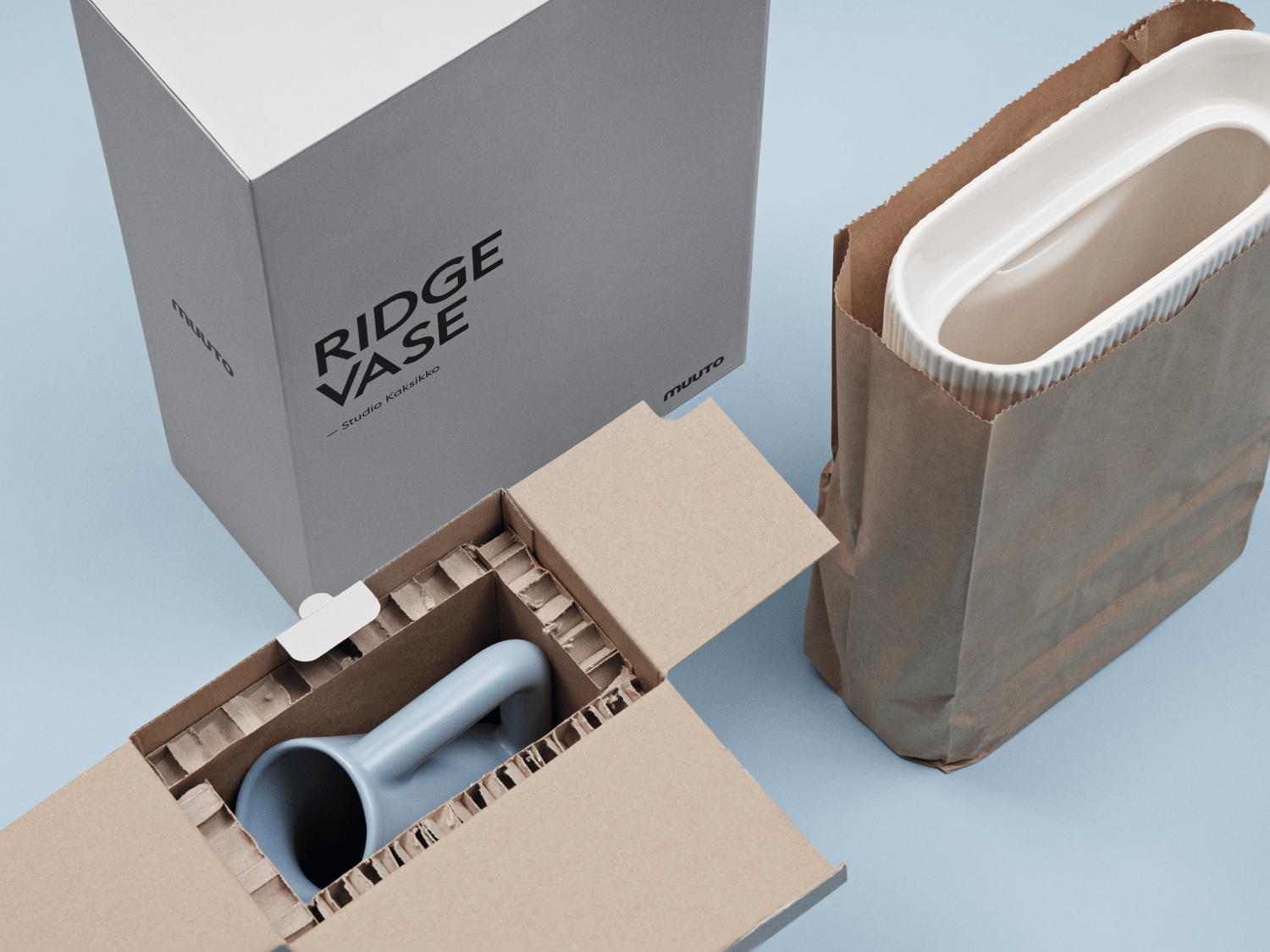
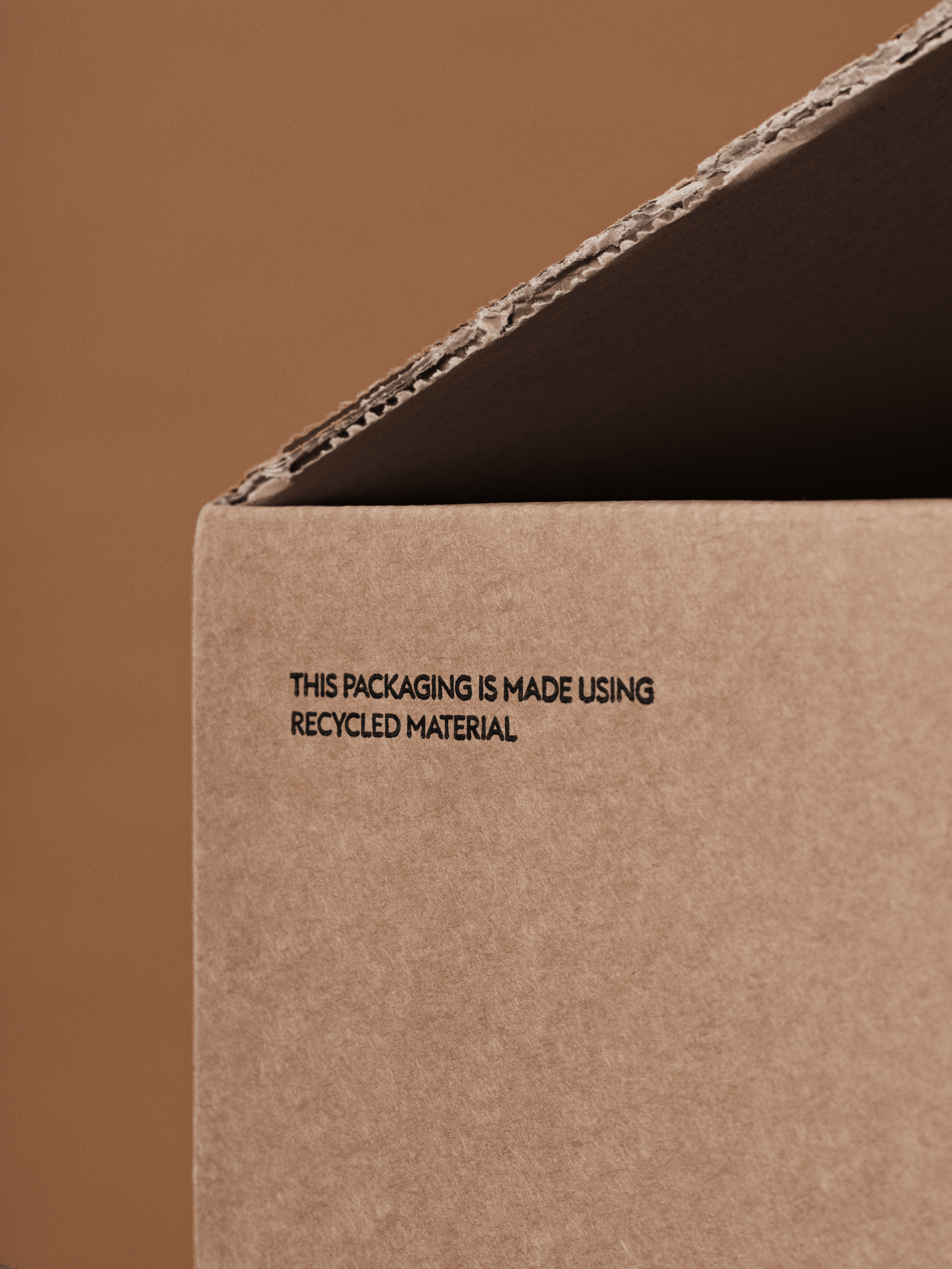
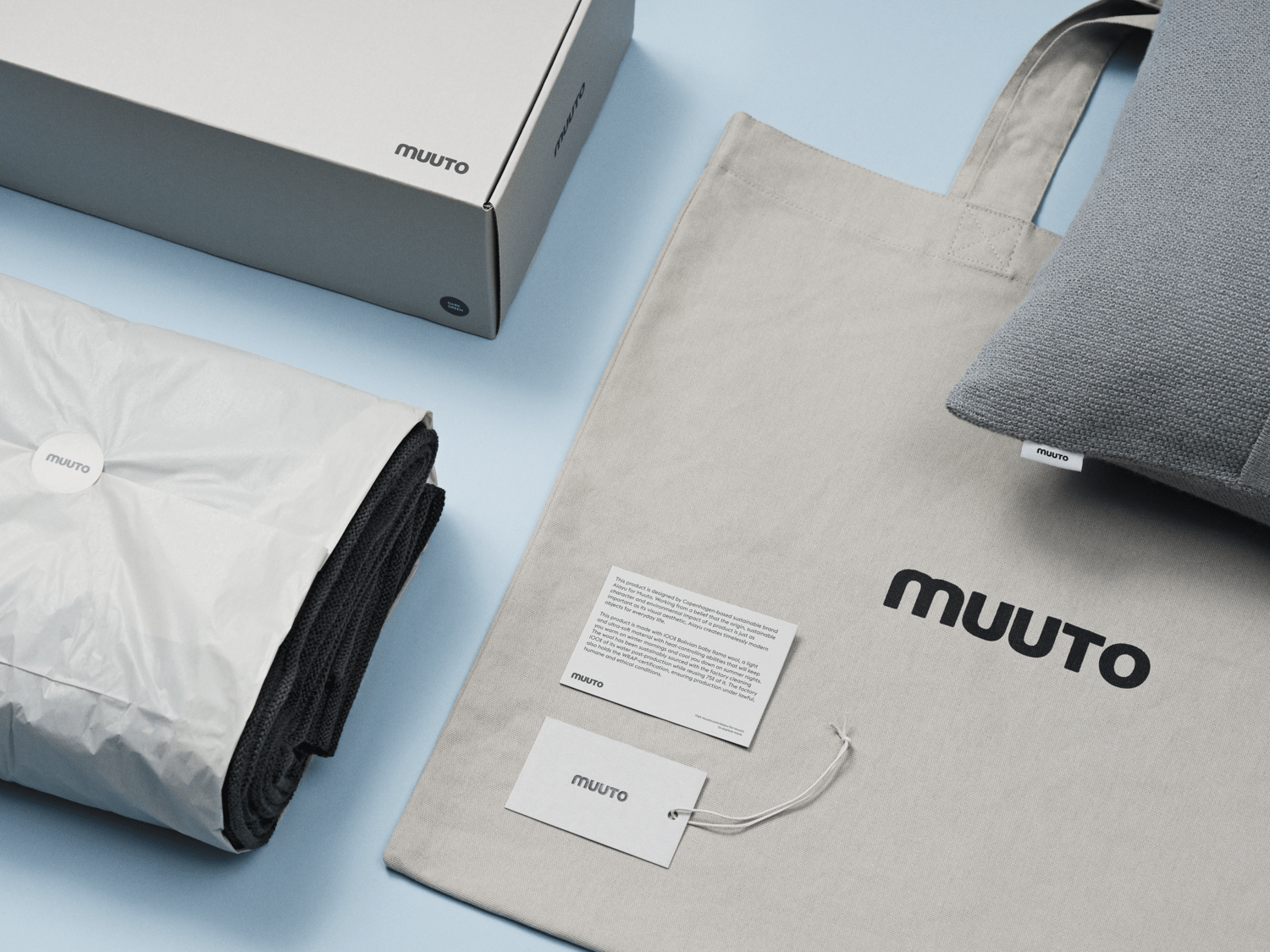
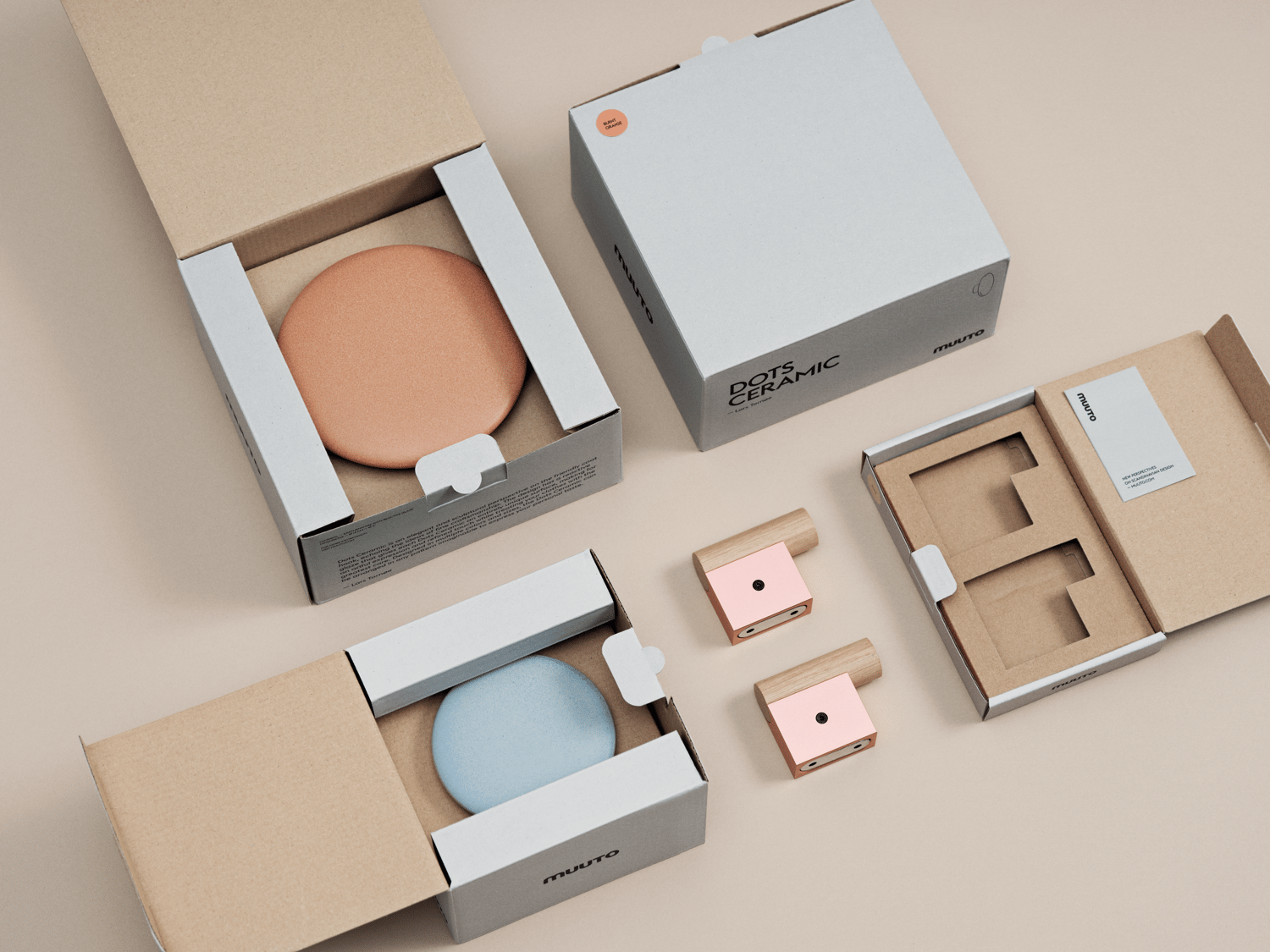
Our desire to minimize our impact on the environment doesn’t end with the design. It extends to the packaging we wrap it in, so that it has as little adverse effect on the environment as possible while protecting the product in transport. We are continuously improving our packaging along those lines and so far, the cardboard box packaging used for all our furniture products is made from at least 65% recycled material or is FSC™-certified. Furthermore, for new product launches, we have initiated the process of discontinuing the use of Styrofoam in all new packaging and replacing plastic bags used in packaging with either reusable dust bags or paper bags.
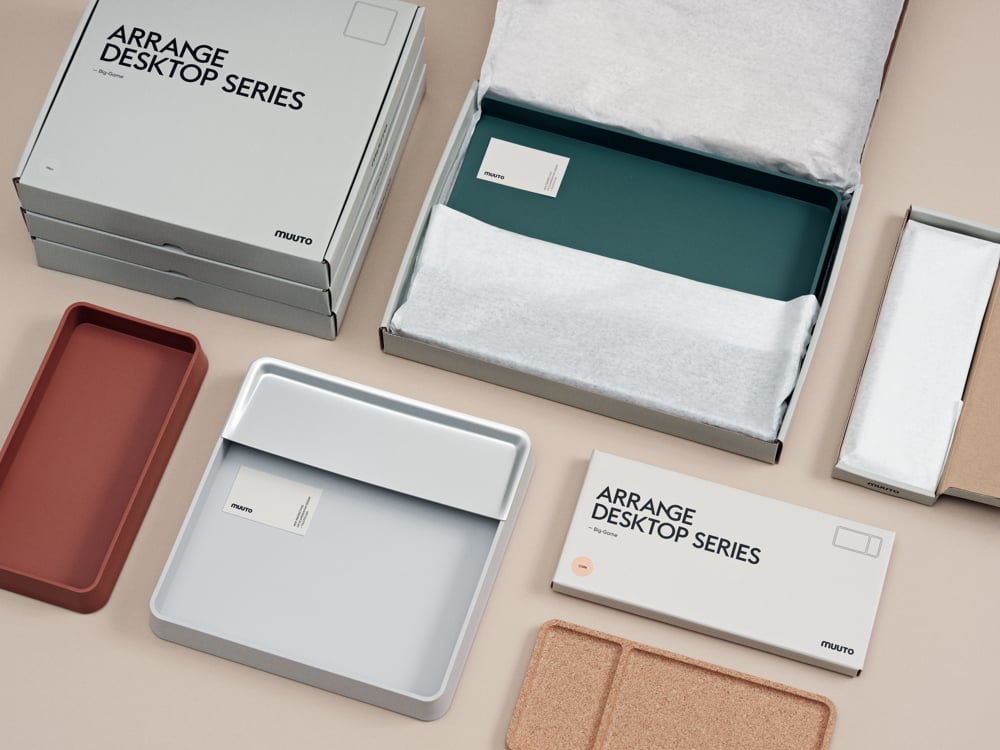
From June 2025 we have eliminated all styrofoam from the production of our packaging.
The environmental impact of Styrofoam is vast — from production to disposal. Therefore, we believe it is important to find suitable substitutes for our packaging — all while protecting our products optimally.
${contentData.items}